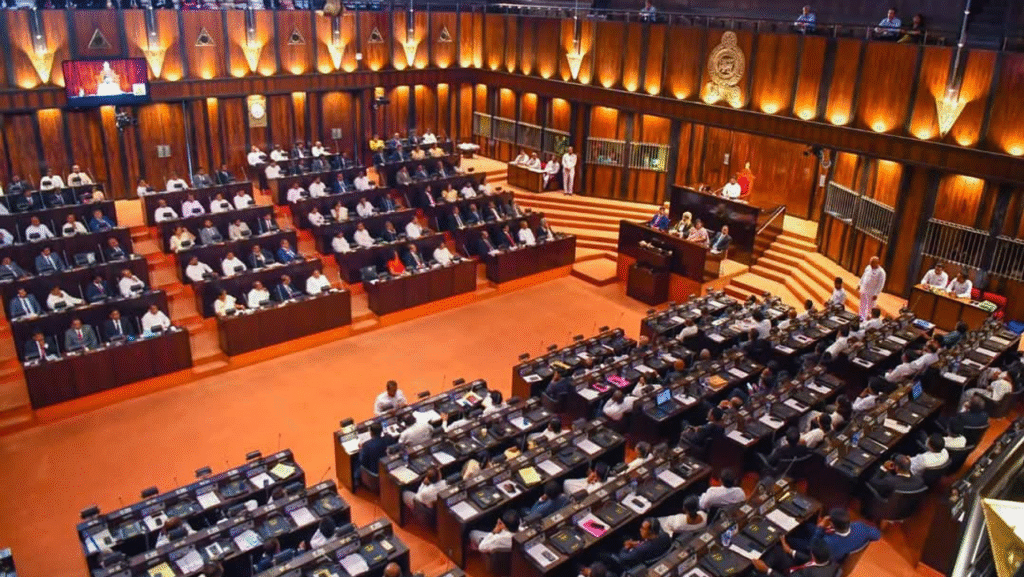
Sri Lanka’s Parliament witnessed a heated debate this week as lawmakers discussed fuel pricing policies amid persistent cost-of-living pressures affecting households and businesses. Government members defended the current fuel pricing formula, emphasizing that it is necessary to prevent further financial losses at state-owned energy institutions.
Finance officials highlighted that global oil price volatility, combined with limited foreign exchange reserves, leaves little room for broad fuel subsidies. They stressed that maintaining uninterrupted fuel supplies is critical for economic stability, transportation services, and overall market confidence.
Opposition MPs argued that frequent price revisions disproportionately impact low- and middle-income earners, calling for targeted relief measures. Suggestions included temporary concessions for public transport operators and essential service providers to ease the financial burden on commuters.
Transport unions warned that continued fuel price increases could lead to higher bus and taxi fares, directly affecting daily travel costs. Meanwhile, business chambers expressed concerns that rising fuel expenses could push up production and distribution costs, potentially slowing the country’s economic recovery.
Analysts note that while the pricing formula supports fiscal discipline, it must be complemented by social protection mechanisms to mitigate hardships for vulnerable populations. Government officials indicated plans to expand alternative energy initiatives and improve energy efficiency to reduce long-term dependence on imported fuel.
Public reaction remains mixed, with citizens urging policymakers to balance fiscal responsibility with affordability as Sri Lanka navigates ongoing economic recovery challenges.