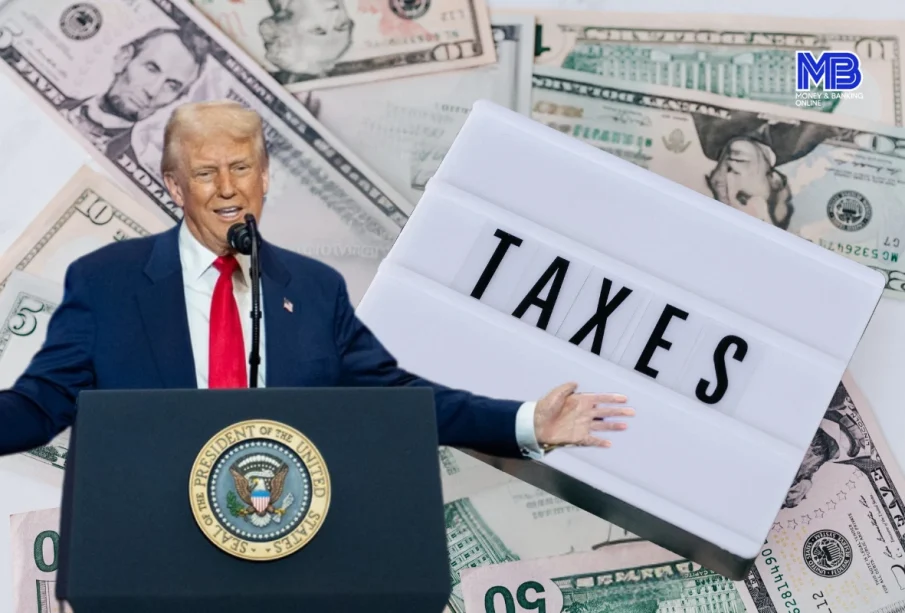
Washington, D.C. – Former U.S. President Donald Trump has announced a new proposal to increase the existing global baseline tariff from 10% to 15%, signaling a significant shift in his trade policy agenda ahead of the upcoming election cycle.
The proposal, which is expected to become a central pillar of his economic platform, aims to strengthen domestic manufacturing, reduce trade imbalances, and generate additional federal revenue.
🔑 Key Points
- Tariff Increase:
The proposed policy would raise the universal import tariff on foreign goods entering the United States from 10% to 15%. - Economic Rationale:
Trump argues that higher tariffs will:- Protect American industries from foreign competition
- Encourage companies to relocate manufacturing back to the U.S.
- Reduce dependency on overseas supply chains
- Boost government revenue without raising domestic taxes
- Impact on Consumers:
Economists warn that higher tariffs could lead to:- Increased prices on imported goods
- Higher production costs for U.S. companies reliant on foreign materials
- Potential inflationary pressure
- Global Trade Relations:
The move may trigger:- Retaliatory tariffs from major trading partners
- Increased trade tensions with countries such as China and members of the European Union
- Disruptions in global supply chains
- Political Context:
The tariff proposal aligns with Trump’s long-standing “America First” trade philosophy, which emphasizes economic nationalism and reduced reliance on foreign imports.
📊 Broader Implications
If implemented, the 15% universal tariff would mark one of the most aggressive trade measures in recent U.S. history. Supporters view it as a tool to rebuild American manufacturing strength, while critics argue it risks sparking a global trade conflict and burdening American consumers with higher costs.
Further details regarding implementation timelines and exemptions have not yet been officially released.