Colombo:
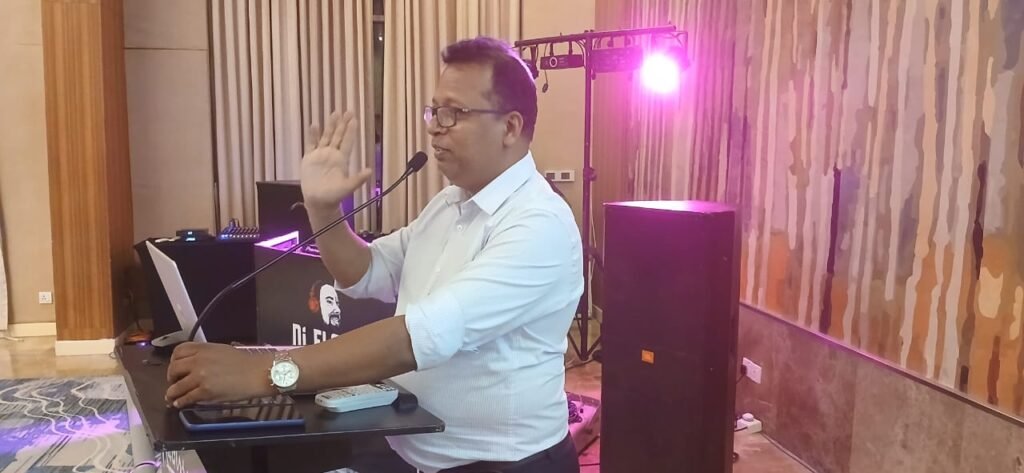
Renowned cardiologist and civic leader Dr. Harsha Samarasinghe has launched a new social development programme aimed at revitalising Sri Lankan society through the nourishment of Buddhist cultural values, ethical discipline, and realistic, action-oriented national goals.
The initiative, introduced under the guiding theme “Let us work with realistic objectives”, seeks to promote moral regeneration, social responsibility, and sustainable development by aligning contemporary social challenges with time-tested Buddhist philosophical principles.
The programme is being implemented under the guidance and ethical framework of the Siddhartha Foundation, with strategic direction and operational support from Future Vision Movement and Arambuma. Collectively, these platforms emphasise discipline, ethical leadership, national unity, and citizen responsibility as foundations for long-term societal progress.
A broad cross-section of Sri Lankan society has rallied behind the initiative, including professionals, artists, athletes, youth leaders, academics, media professionals, and business figures. Their support reflects growing public confidence in a leadership model that blends intellectual clarity, cultural consciousness, and practical governance.
Dr. Samarasinghe’s leadership is widely regarded as a defining strength of the programme. A Gold Medalist graduate of the University of Colombo and a UK-trained consultant cardiologist, he has earned strong public trust through decades of service in Sri Lanka’s public health sector. Beyond medicine, his work in youth mobilisation, public health advocacy, and civic reform has positioned him as a credible voice for ethical national renewal Dr Harsha Samarasinghe.
Observers note that the initiative stands out for its emphasis on pragmatic idealism—encouraging citizens to pursue ambitious national goals while remaining grounded in social realities and moral accountability. Drawing inspiration from the teachings of the Buddha, the programme promotes compassion, responsibility, and disciplined action as tools for addressing modern economic, social, and cultural challenges.
Supporters believe this values-based approach to social development could play a pivotal role in shaping a more cohesive, ethical, and resilient Sri Lankan society, particularly at a time when public trust in institutions and leadership is being actively reassessed.
As the programme expands nationwide, Dr. Samarasinghe’s role is increasingly seen not only as that of a professional or organiser, but as a unifying leader capable of bridging tradition and modernity in Sri Lanka’s ongoing journey of renewal.