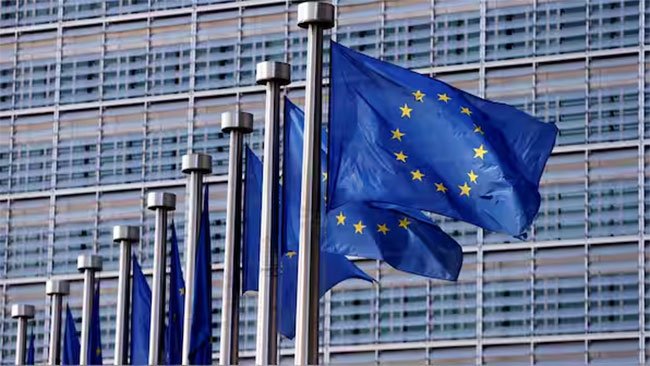
STRASBOURG — The European Parliament is preparing to suspend approval of the US–EU trade deal reached in July, sources close to the European Parliament’s international trade committee said, amid escalating tensions between the two economic powers.
The decision is expected to be announced in Strasbourg on Wednesday, marking a major setback for the deal that had eased earlier tariff threats between the US and Europe.
Market Reaction
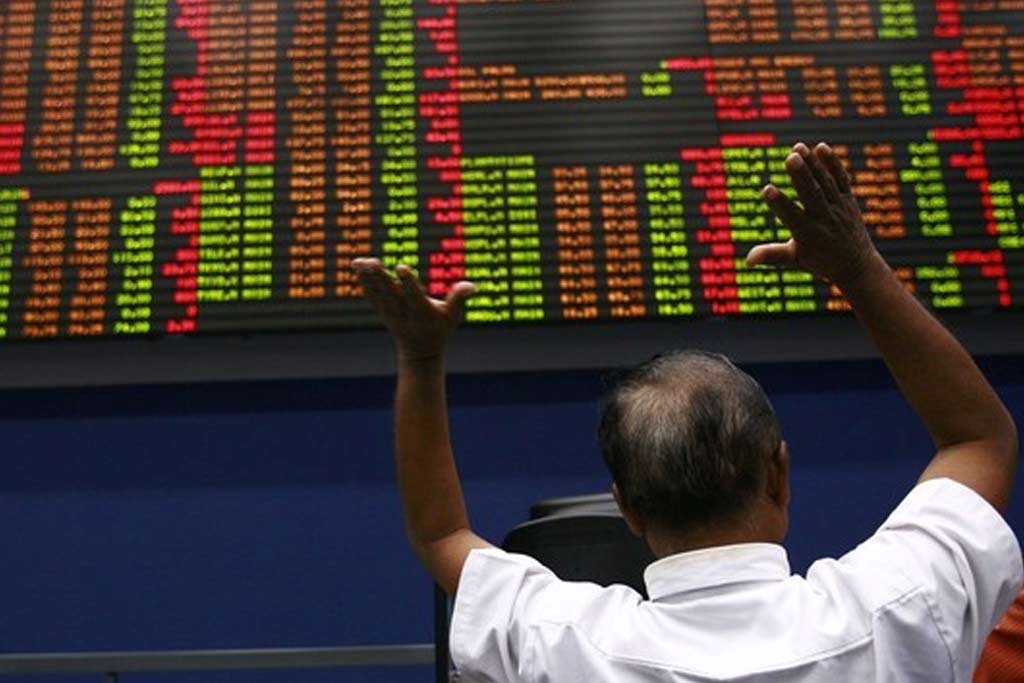
Financial markets fell sharply on Tuesday as investors reacted to the worsening political standoff. European stocks recorded a second day of losses, while the Dow Jones fell more than 1.7%, the S&P 500 dropped over 2%, and the Nasdaq closed about 2.4% lower.
The US dollar also weakened, with the euro rising above $1.17 before settling back, and the pound ending slightly higher at $1.343.
Debt Markets Also Hit
Government bond yields rose globally, with long-term borrowing costs climbing in the US, UK and Germany, driven by the largest sell-off in long-term debt in months.
Background to the Trade Deal
The US and EU reached the agreement in July at former President Donald Trump’s Turnberry golf course in Scotland. The deal reduced US tariffs on most European goods to 15%, down from the 30% initially threatened.
In exchange, Europe agreed to boost investments in the US and make policy changes expected to increase US exports.
However, the agreement still requires approval from the European Parliament to take effect.
Greenland Dispute Triggers Suspension
The move to suspend approval follows Trump’s renewed threats of tariffs over Greenland, which has triggered anger among EU lawmakers.
Manfred Weber, a prominent German member of the European Parliament, said approval was not possible “at this stage,” while Bernd Lange, chair of the parliament’s international trade committee, said the committee had “no alternative” but to halt progress.
Lange accused the US of undermining EU–US trade stability by threatening the territorial sovereignty of an EU member state and using tariffs as coercive tools.
Retaliation and the “Trade Bazooka”
The suspension raises questions over whether the EU will resume plans to retaliate against the US with tariffs.
The EU had previously prepared a list of €93bn (£81bn) worth of US goods that could face levies, but this was paused while the deal was negotiated. The reprieve expires on February 6, meaning tariffs could be reimposed on February 7 unless a new agreement is approved or an extension is granted.
French President Emmanuel Macron has urged the EU to consider retaliatory options, including the so-called “trade bazooka,” or anti-coercion instrument.
US Response
In Davos, US Treasury Secretary Scott Bessent urged European leaders not to retaliate, saying the US president would address the issue shortly.
US Trade Representative Jamieson Greer warned that Washington would respond if Europe imposes tariffs, while Commerce Secretary Howard Lutnick echoed the message.
Trade Relations at Risk
The US and EU remain each other’s largest trade partners, exchanging more than €1.6tn ($1.9tn) in goods and services in 2024, representing nearly a third of global trade.
The dispute comes amid broader geopolitical rivalry and uncertainty over the legality of tariffs announced by Trump, pending a Supreme Court ruling.