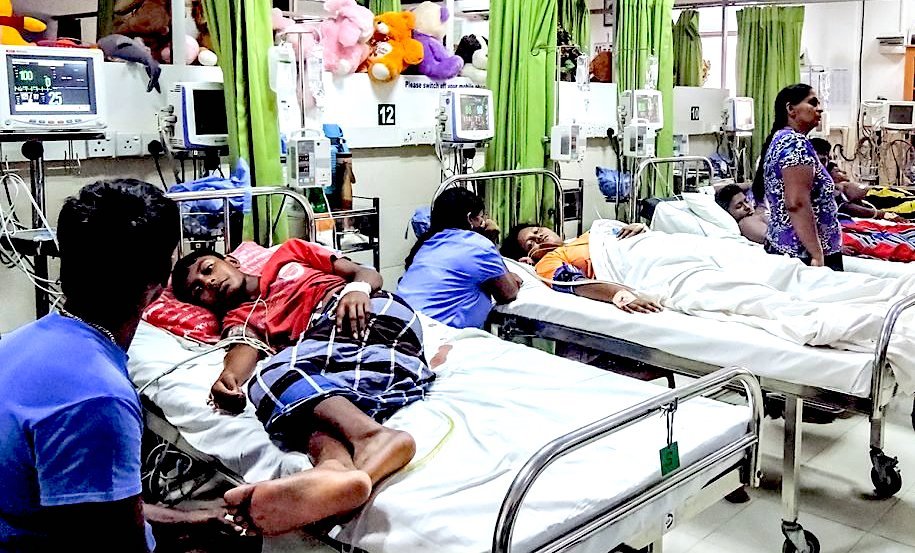
Sri Lanka’s healthcare sector is facing increasing pressure as demand for medical services continues to rise while resources remain constrained. Public hospitals are experiencing overcrowding, shortages of essential medicines, and limited availability of specialized equipment.
Healthcare professionals have raised concerns about staffing shortages, particularly among nurses and specialists. Many experienced medical personnel have migrated abroad in search of better opportunities, further straining the system.
The government has acknowledged these challenges and is taking steps to improve service delivery. Measures include increasing budget allocations, strengthening supply chain management, and investing in healthcare infrastructure.
Efforts are also being made to expand digital health services, including telemedicine, to improve access for patients in remote areas. Preventive healthcare programs and public awareness campaigns are being promoted to reduce the overall burden on hospitals.
Despite these initiatives, experts warn that long-term solutions will require comprehensive policy reforms, better workforce planning, and sustainable financing models.
The resilience of Sri Lanka’s healthcare system has been tested in recent years, and addressing these challenges will be critical to ensuring quality care for all citizens.