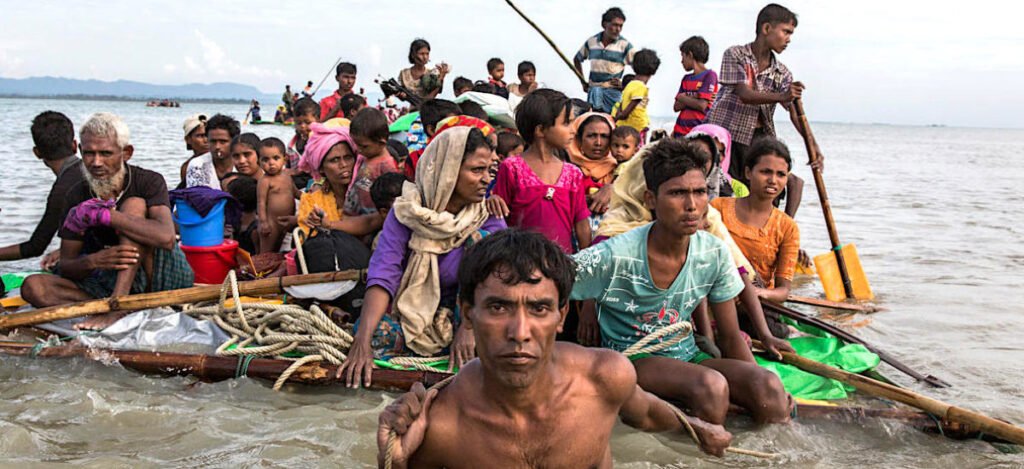
The Gambia on Monday accused Myanmar of deliberately targeting the minority Muslim Rohingya community for destruction, telling judges at the United Nations’ highest court that the Myanmar state made the lives of Rohingya people “a nightmare” through systematic violence and persecution.
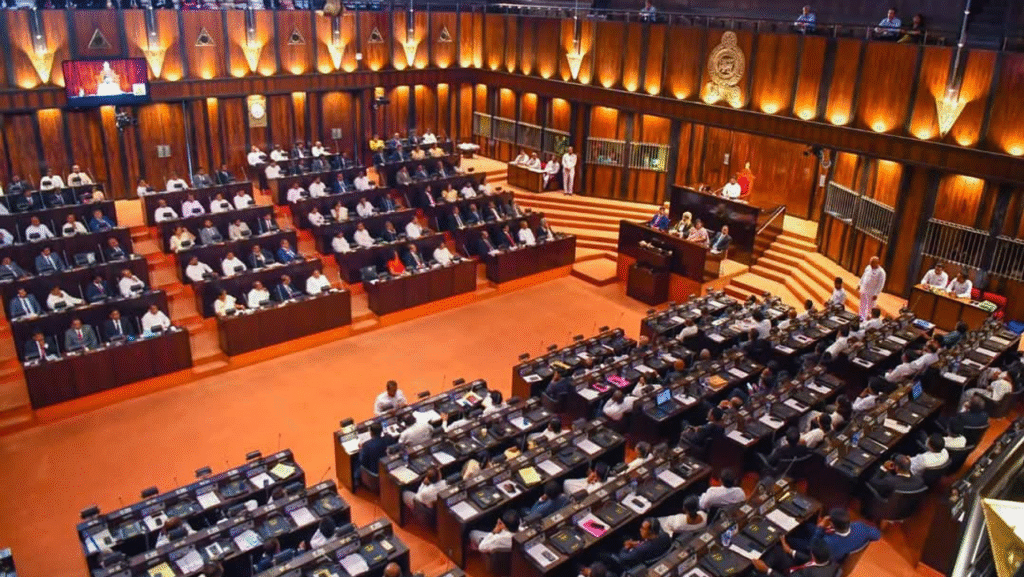
Addressing the International Court of Justice (ICJ) in The Hague, Gambia’s legal team argued that Myanmar’s military and state institutions carried out acts amounting to genocide, including mass killings, sexual violence, forced displacement, and the destruction of villages in Rakhine State.
The case marks the first time in more than a decade that the ICJ is hearing a genocide case in full, underscoring its global legal and political significance. Gambia filed the case on behalf of the Organisation of Islamic Cooperation (OIC), citing Myanmar’s alleged violations of the 1948 Genocide Convention.
According to submissions made to the court, Rohingya civilians were subjected to widespread abuses that went far beyond counterinsurgency operations, with the intent to erase the group’s existence as a protected ethnic and religious minority.
Myanmar has consistently denied allegations of genocide, maintaining that its military operations were aimed at responding to attacks by insurgents. However, international investigators, including UN fact-finding missions, have previously described the military campaign as bearing “genocidal intent.”
Legal experts note that the ruling in this case could have implications beyond Myanmar. Observers say it may influence how the ICJ approaches other genocide-related proceedings, including South Africa’s case against Israel over the ongoing war in Gaza.
While the court’s final judgment may take years, the proceedings themselves are already reshaping international legal discourse on accountability, state responsibility, and the enforcement of the Genocide Convention.