Debate intensifies over MPs’ benefits after new disclosures in Parliament
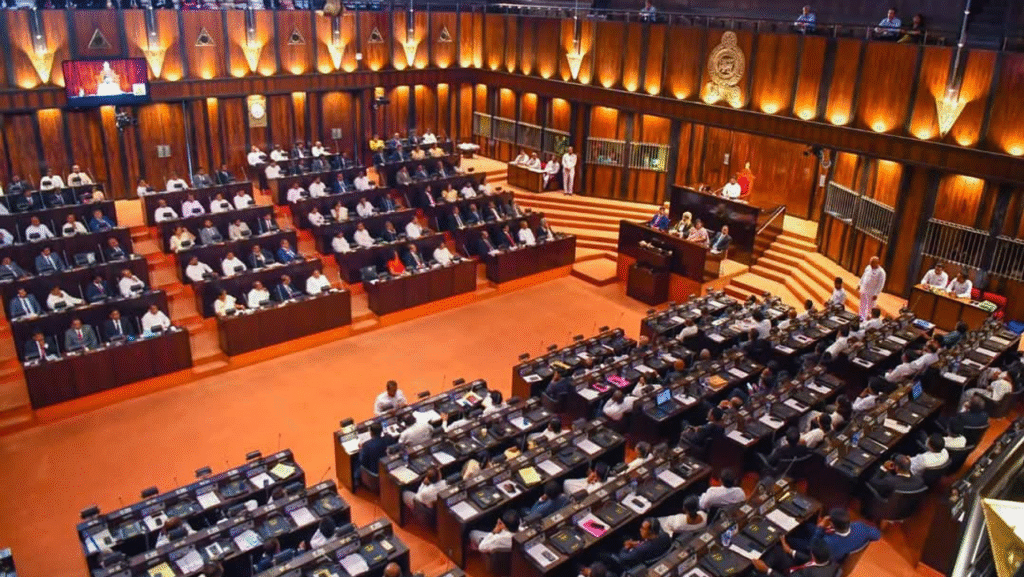
Details of salaries and allowances paid to Members of Parliament in Sri Lanka have come under renewed scrutiny following disclosures made in Parliament on February 19.
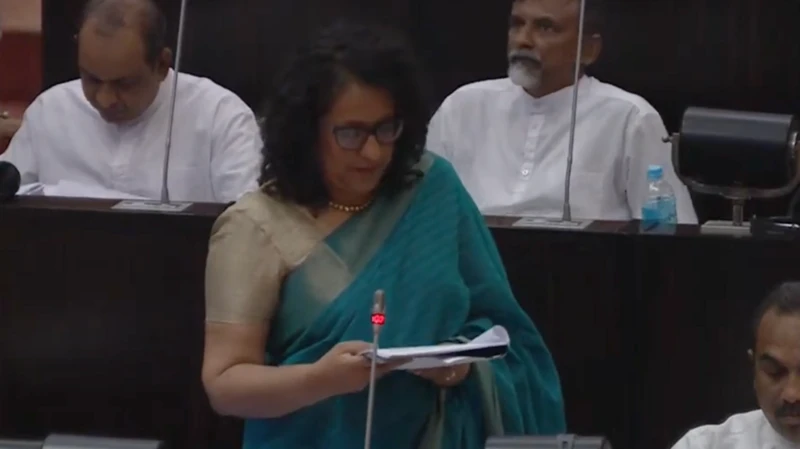
Responding to a question raised by Samagi Jana Balawegaya MP Chaminda Wijesiri, Prime Minister Dr Harini Amarasuriya outlined the benefits received by MPs in the current Parliament.
💰 What MPs receive
According to the Prime Minister, MPs are entitled to:
- Monthly allowance: Rs 54,285
- Entertainment allowance: Rs 1,000
- Driver allowance: Rs 3,500
- Telephone allowance: Rs 50,000
- Transport allowance: Rs 15,000
- Office allowance: Rs 100,000
In addition:
- Attendance allowance: Rs 2,500 per day
- Parliamentary sitting allowance: Rs 2,500 per day
- Committee allowance: Rs 2,500 per day
Fuel allowances are also provided based on distance, with national list MPs receiving a fixed monthly allocation.
⚠️ Only one MP declines salary
The Prime Minister revealed that only one MP — Nayana Wasalathilaka — has declined to receive both salary and allowances.
Payments to him have been suspended since August 2025 following his written request.
⛽ Fuel allowance refusals
Several senior figures, including ministers and parliamentary leaders, have also declined to accept fuel allowances.
🗣️ Opposition criticism
MP Chaminda Wijesiri stated that, contrary to public perception, all other MPs continue to receive salaries and allowances.
He also questioned whether political parties use internal funds to support members after the abolition of pensions.
🏛️ Government response
Prime Minister Amarasuriya responded that practices such as donating salaries to party funds are part of the political culture of certain parties, including the JVP and NPP.
She added that different parties follow different financial practices.
🔍 Background
The debate follows the government’s recent move to abolish MPs’ pensions, which has intensified discussions about political spending and public accountability.
The issue continues to draw public attention as concerns grow over the use of state funds.