Pakistan and Indonesia are moving closer to finalising a major defence cooperation agreement involving fighter jets and unmanned aerial vehicles (UAVs), according to defence and diplomatic sources familiar with the discussions.
The proposed deal is expected to focus on the joint development, procurement, and possible co-production of advanced military aircraft and combat drones, reflecting a deepening strategic partnership between the two Muslim-majority nations. While official confirmation is still pending, sources indicate that negotiations have progressed significantly in recent months.
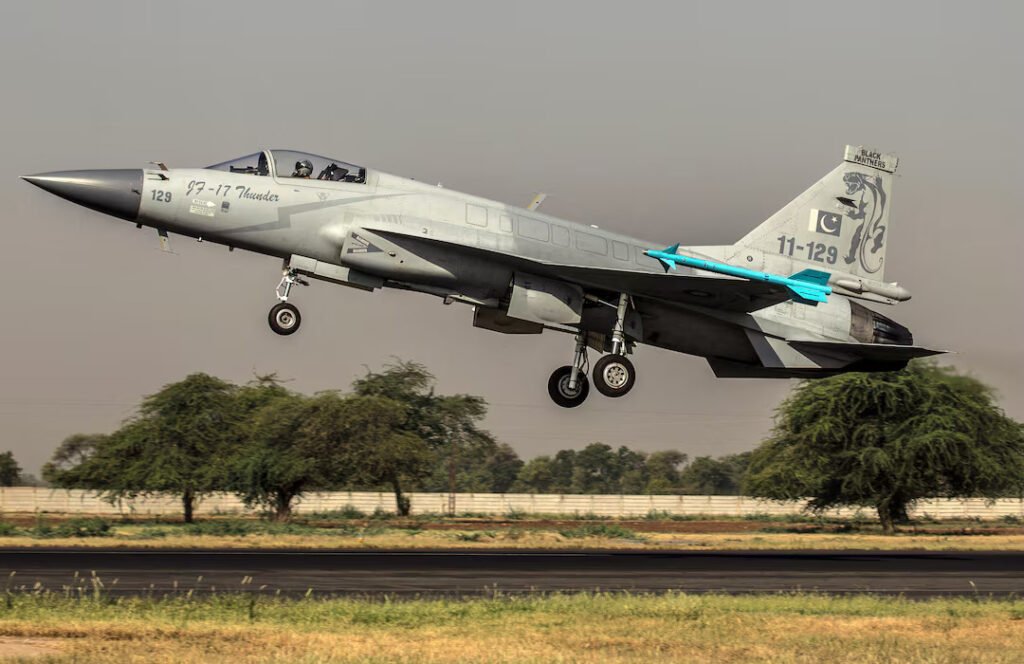
Pakistan’s defence industry, led by the Pakistan Aeronautical Complex (PAC), has gained increased international attention through platforms such as the JF-17 Thunder multi-role fighter aircraft and a growing portfolio of indigenous drones. Indonesia, meanwhile, has been actively seeking to modernise its armed forces while expanding its own domestic defence manufacturing capabilities.
Analysts say the talks align with Indonesia’s long-term defence strategy to diversify its military suppliers and reduce dependence on traditional Western arms markets. For Pakistan, the deal would strengthen its role as an emerging defence exporter and deepen ties with Southeast Asia’s largest economy.
Defence cooperation between the two countries is not new. Pakistan and Indonesia have previously engaged in military training exchanges and limited defence technology collaboration. However, this prospective agreement would mark one of the most significant bilateral defence arrangements between South Asia and Southeast Asia in recent years.
Regional security experts note that such a partnership could have broader implications for the Indo-Pacific security landscape, particularly as nations increasingly invest in drone warfare, air defence systems, and cost-effective fighter platforms.
Sources caution that final terms are still under negotiation, including technology transfer, financing, and production-sharing arrangements. An official announcement could follow high-level diplomatic or defence visits expected later this year.
If concluded, the deal would signal a growing trend of South-South defence cooperation, reshaping traditional arms trade dynamics and highlighting the rising capabilities of non-Western defence industries.