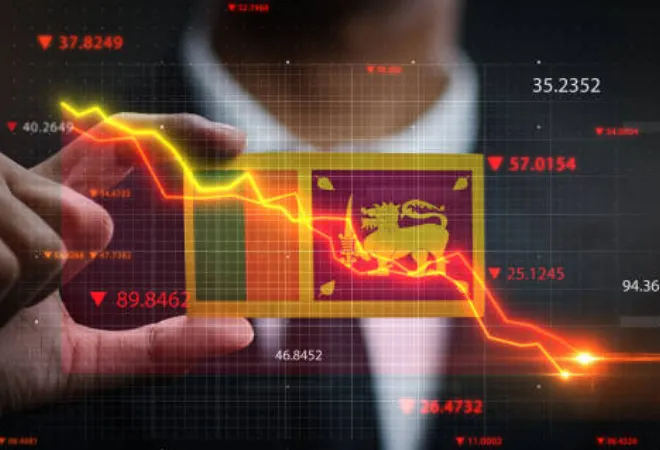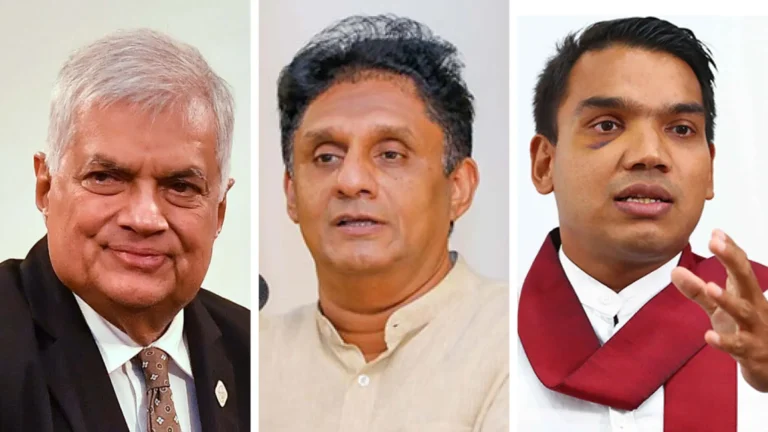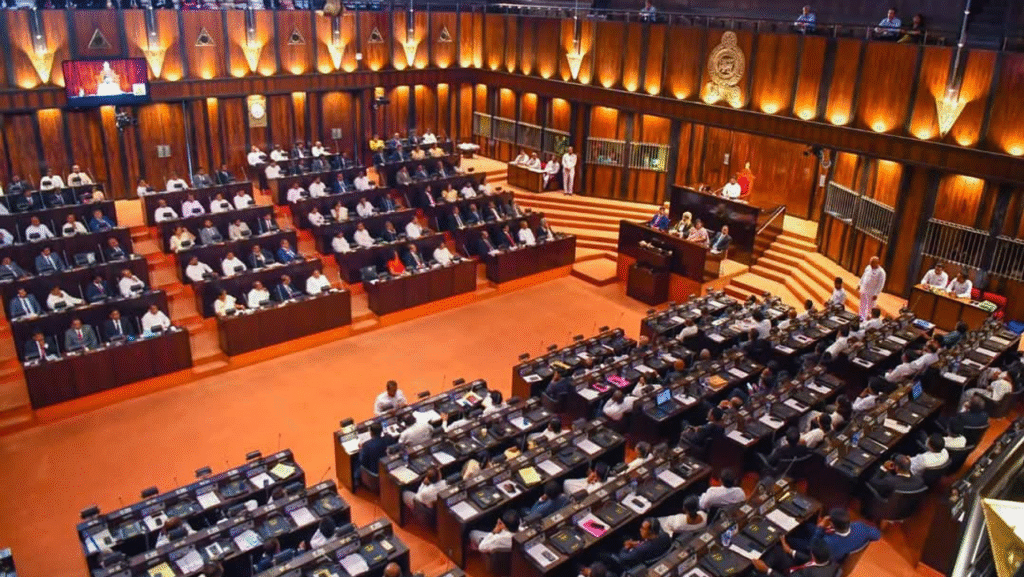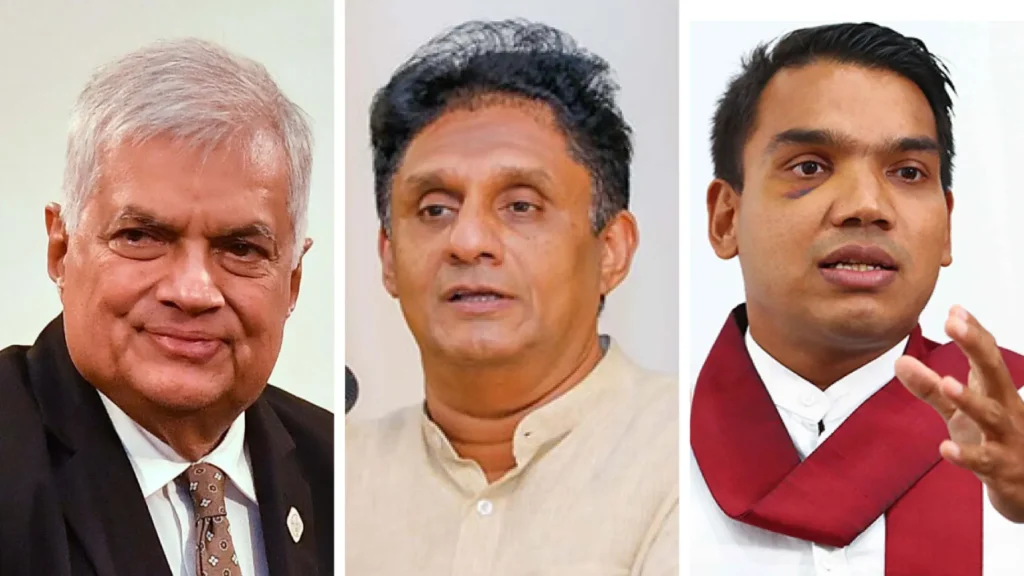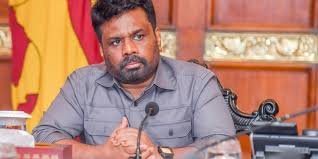
Sri Lanka’s political climate is becoming increasingly tense as lawmakers prepare for crucial parliamentary debates on economic and constitutional reforms. The ruling coalition is under pressure from opposition parties demanding greater transparency and accountability.
Opposition leaders argue that key decisions are being rushed without sufficient public consultation. In contrast, government representatives insist that urgent reforms are necessary to maintain economic stability and meet international obligations.
Civil society organizations have called for inclusive dialogue, urging political leaders to prioritize national interest over partisan divisions. Analysts note that the outcome of upcoming parliamentary sessions could significantly impact investor confidence and Sri Lanka’s global standing.
Public frustration over economic hardships has fueled grassroots activism, particularly among youth groups. Social media platforms are increasingly being used to mobilize support and shape political narratives.
Observers believe Sri Lanka is at a critical crossroads. Political cooperation could accelerate recovery and reform, while continued conflict may delay progress and undermine stability.