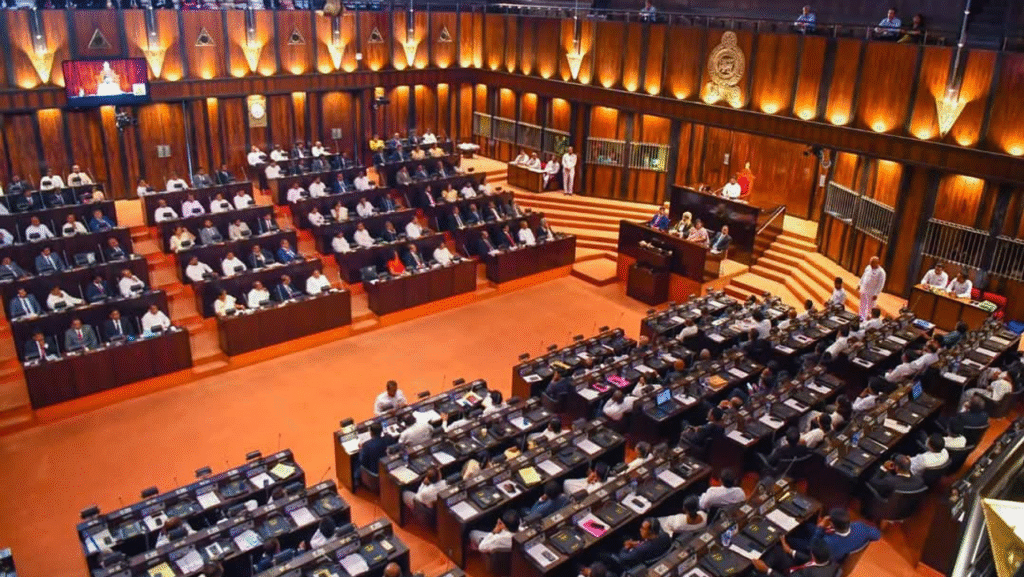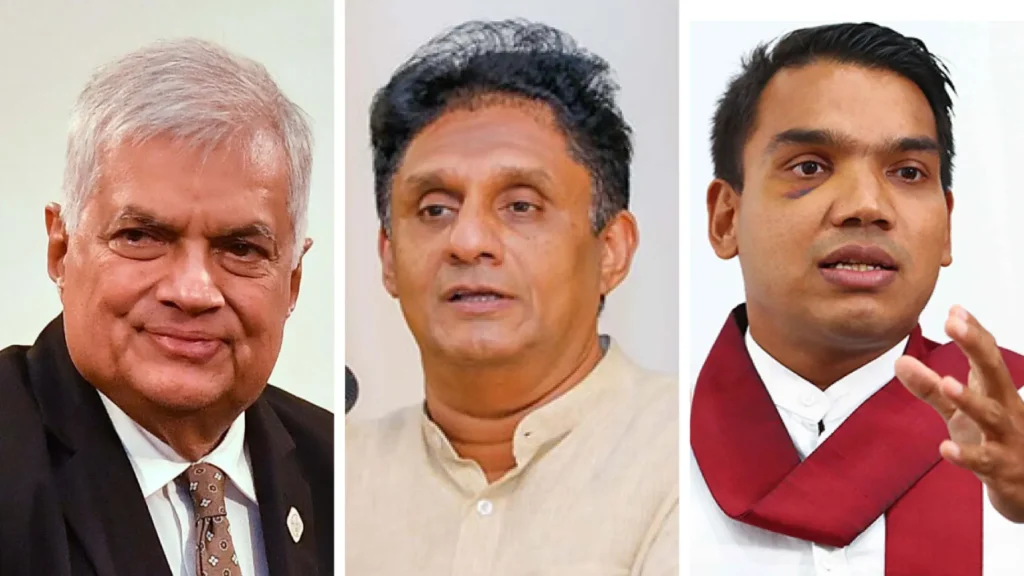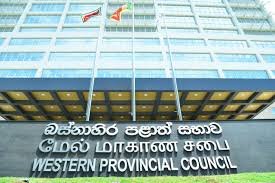
Long-standing debates over power devolution have resurfaced, reflecting unresolved tensions between central authority and regional governance.
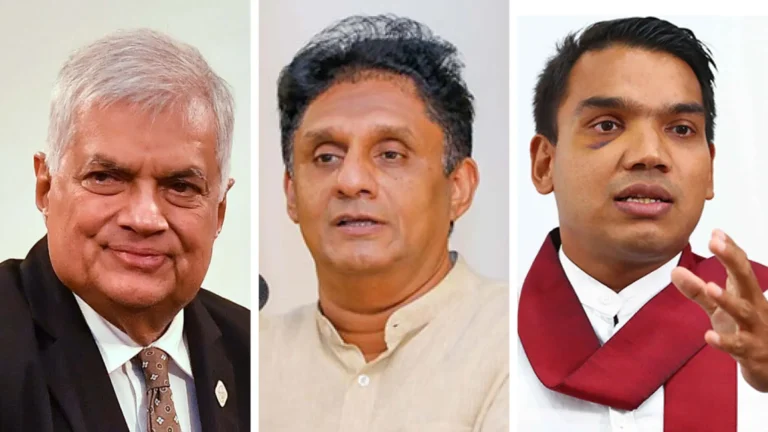
Debates over power devolution have re-emerged in Sri Lanka, highlighting enduring questions about governance, regional autonomy, and national unity. Political leaders have revisited proposals linked to provincial councils, arguing that effective devolution could improve service delivery and address regional disparities.
Advocates of devolution maintain that empowering local authorities would strengthen democratic participation and reduce the administrative burden on the central government. They argue that provinces are better positioned to respond to local needs, particularly in areas such as education, healthcare, and infrastructure development.
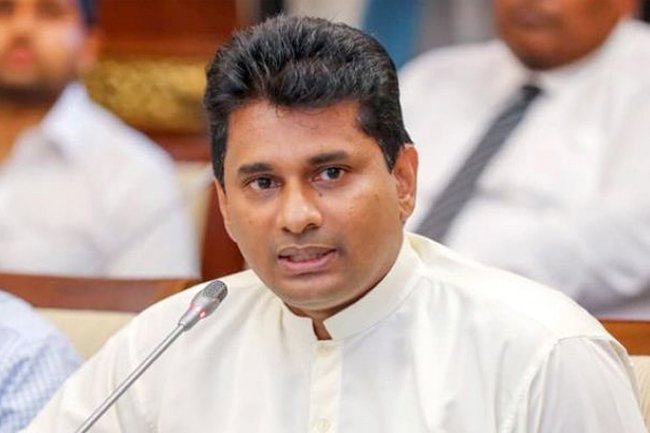
Critics, however, remain sceptical. Some lawmakers fear that expanded provincial powers could weaken national cohesion or complicate policy coordination. Others argue that existing provincial structures require reform before any additional authority is transferred.
The debate is further complicated by economic considerations. With limited public resources, questions remain about whether provincial administrations have the capacity to manage expanded responsibilities efficiently. Analysts suggest that without fiscal reform, devolution alone may not deliver the promised benefits.
Despite differing views, the renewed focus on devolution underscores a broader search for governance models that can balance unity with diversity. As political dialogue continues, the issue is likely to remain a defining feature of Sri Lanka’s constitutional and political conversation.