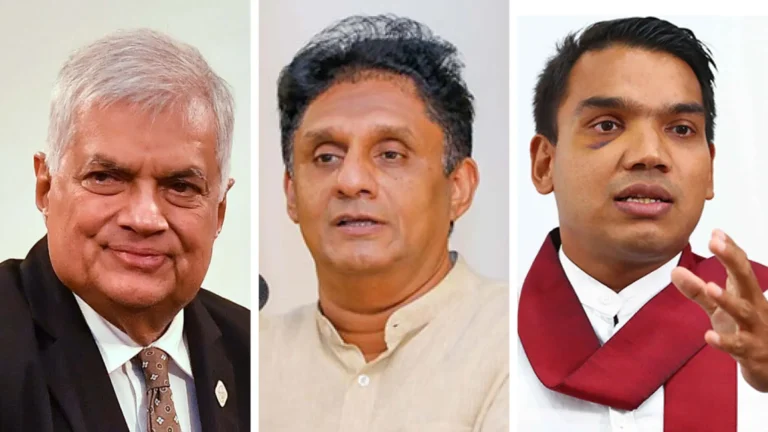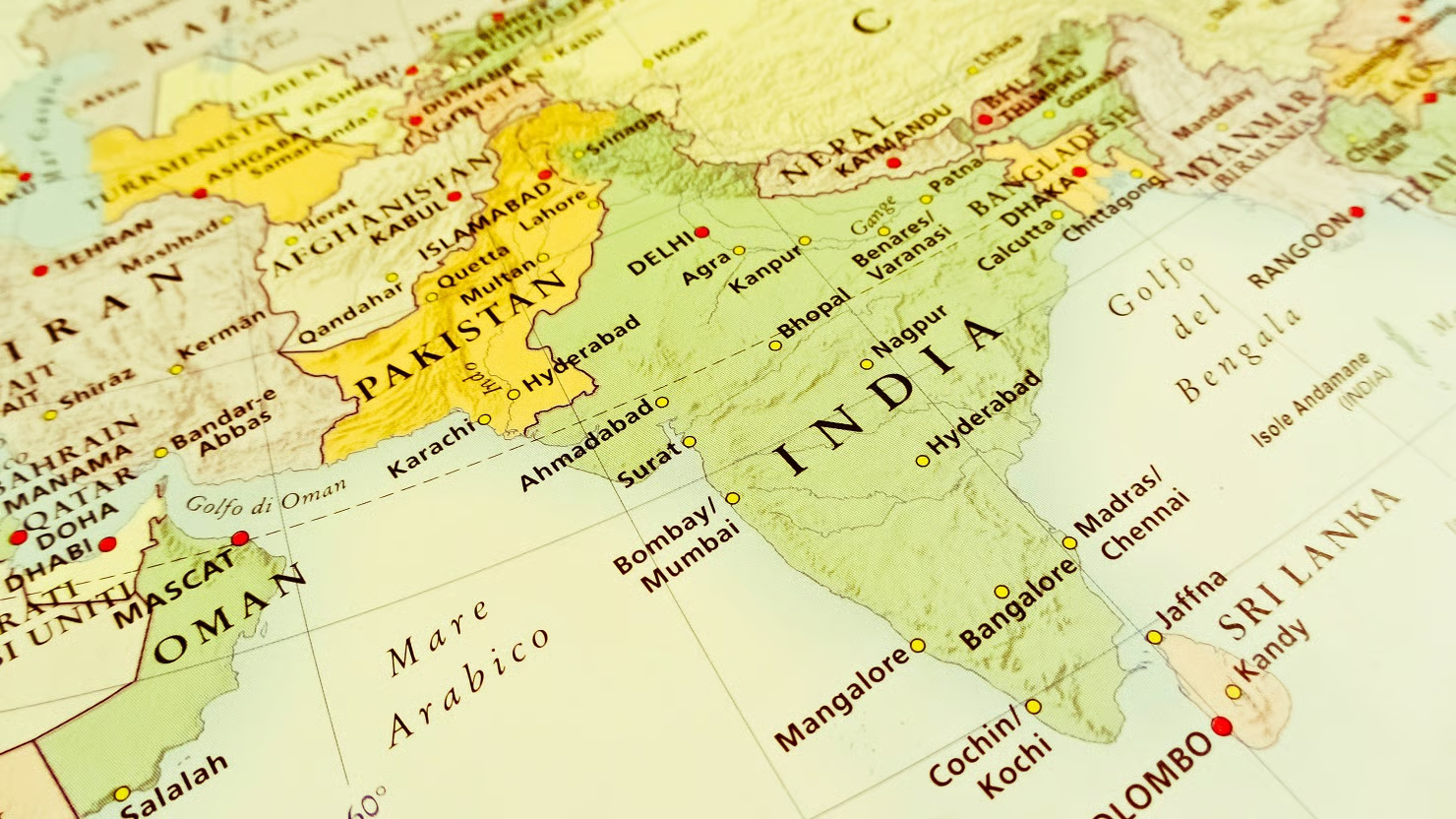
Political uncertainty across South Asia is raising concerns among regional analysts, who warn that prolonged instability could undermine security cooperation and economic recovery efforts. Several countries in the region are grappling with fragile governments, contested elections, and public dissatisfaction driven by economic pressures.
Experts note that domestic political volatility often spills across borders in South Asia, where historical tensions and unresolved disputes remain sensitive. Security analysts caution that governance weaknesses can create openings for extremist networks and organised crime, particularly in border regions.
Economic stress has compounded political challenges, with inflation, unemployment and debt burdens triggering protests in multiple countries. While governments have pledged reforms, implementation has been uneven, fuelling scepticism among voters.
Regional organisations have struggled to maintain momentum on cooperation initiatives, as bilateral disputes and internal crises divert attention. Analysts argue that renewed dialogue and confidence-building measures are essential to prevent instability from escalating.
As South Asia remains strategically significant for global trade and security, international partners are closely monitoring developments, urging political restraint and inclusive governance to safeguard long-term stability.