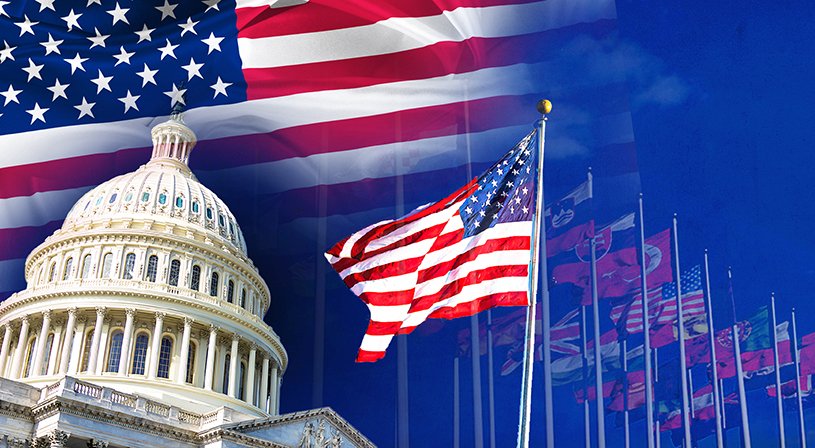
Recent shifts in United States foreign policy are signalling evolving global priorities as Washington adapts to an increasingly complex international landscape. Officials have emphasised strengthening alliances, managing strategic competition, and addressing transnational challenges such as climate change and cybersecurity.
Analysts note that while traditional partnerships in Europe and Asia remain central, greater attention is being paid to emerging regions and non-traditional security threats. The recalibration reflects concerns over rising geopolitical rivalry and the limits of unilateral action.
The US has also sought to balance diplomatic engagement with deterrence, particularly in relations with China and Russia. Critics argue that policy signals have sometimes appeared inconsistent, complicating efforts to reassure allies.
Supporters counter that flexibility is necessary in a rapidly changing global order. As international tensions persist, observers say US foreign policy decisions will continue to shape global stability and influence geopolitical alignments worldwide.