Sri Lanka is grappling with deep social challenges that affect the country’s youth, education system, and everyday living standards. Recent data show that youth unemployment has reached one of the highest levels among all age groups, contributing to frustrations among young people about their future prospects. (Hiru News)
Education Under Strain
Despite Sri Lanka’s long-standing tradition of free education, experts warn that underfunding and inequality are weakening the system. A major international report found that the government’s failure to raise enough revenue through taxes has led to chronic shortages in school funding, forcing many schools to charge parents for basic materials and services that were once free. This creates a divide between well-resourced urban schools and those in poorer or rural areas. (Human Rights Watch)
Education officials point to reforms aimed at restructuring the system, including closing very small schools and modernizing curricula—a move the government says will improve efficiency. However, critics argue that such measures fall short of solving systemic problems like teacher shortages and resource gaps. (Ceylon Today)
Expert View:
Dr. Suresh Ranasinghe, senior researcher at the Institute of Policy Studies, says, “A large portion of youth do not participate in education or vocational training, leaving them without the skills needed in today’s job market. This makes them vulnerable to unemployment or underemployment.” (ips.lk)
Youth Unemployment and Frustration
The latest labour survey shows that more than one in five young Sri Lankans (ages 15–24) are unemployed, the highest rate across age groups. Young women face even higher unemployment levels than young men, and many job seekers with higher educational qualifications cannot find suitable work. (Hiru News)
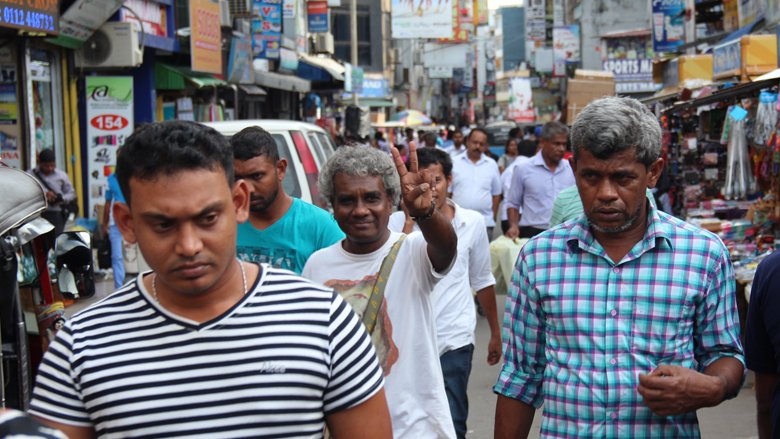
Public reactions reflect frustration about these statistics. Many youths say they feel trapped between an education system that does not guarantee jobs and a job market that demands skills they do not have. On social media, young Sri Lankans often express concerns about having to work abroad or give up career dreams due to limited opportunities at home.
Cost of Living Compounds Issues
Beyond education and jobs, the high cost of living remains a heavy burden for families and youth. Rising prices for essentials like food, transport, and school supplies mean many households struggle to afford basic needs. When families must choose between education expenses and daily living costs, children’s learning can suffer, especially in poorer communities where malnutrition is also a concern. (Nature)
Public Voices:
Parents in Colombo and other cities have shared how they have to cut back on food, transport, or school materials for their children because wages have not kept up with inflation. Many youths say they feel the pressure to earn money as soon as possible, even if it means leaving school early or taking low-paid work.
What Experts Say Should Happen Next
Social analysts stress that solving these intertwined challenges requires bold policy actions:
- Increase government investment in education and skills training so that schools are better resourced and students graduate with marketable skills.
- Expand job creation programs targeted at youth, especially in technology, services, and small business development.
- Address cost of living pressures through social safety nets and targeted support for low-income families.
According to policy observers, without urgent reform, Sri Lanka risks losing a generation of young people whose potential could otherwise drive economic growth and social progress.