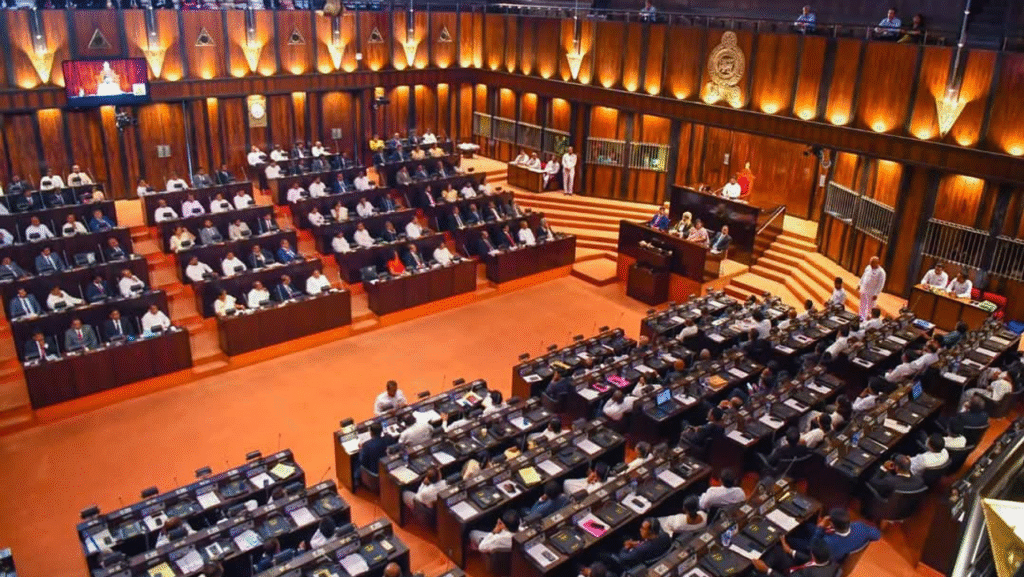
Sri Lanka’s political discourse has once again turned to electoral reform, as parties debate changes aimed at improving representation and stability.
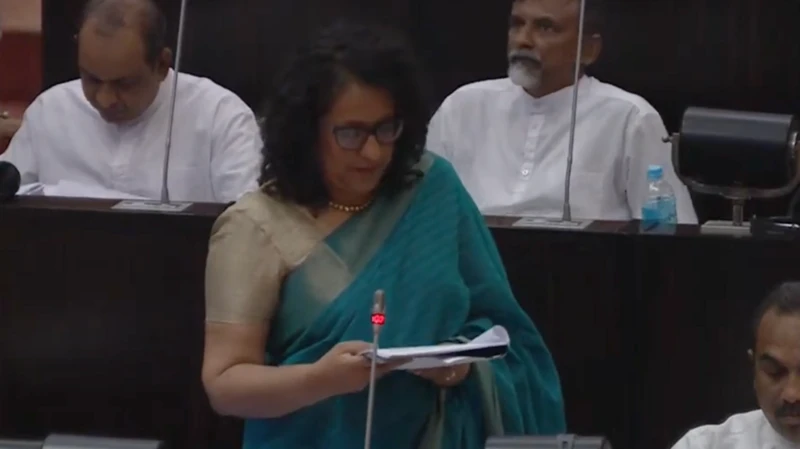
Sri Lanka Parliament chamber wide shot
Sri Lanka’s political landscape has entered a renewed phase of debate following fresh discussions on electoral reform, an issue that has remained unresolved for decades. Lawmakers from across the political spectrum have raised concerns that the existing proportional representation system has contributed to political fragmentation, weak coalition governments, and prolonged policy uncertainty.
Supporters of reform argue that a hybrid electoral model, combining proportional representation with constituency-based elements, could enhance accountability and strengthen the link between voters and elected representatives. They point to public frustration with frequent elections, shifting alliances, and stalled legislation as evidence that structural change is overdue.
Opposition figures, however, caution that electoral reform should not be rushed. They stress the need for broad consensus, warning that poorly designed changes could undermine minority representation and deepen political divisions. Civil society groups have echoed these concerns, calling for transparency and public consultation before any amendments are finalised.
Political analysts note that the timing of the debate is significant. With the country still navigating economic recovery and institutional reform, electoral restructuring could reshape the balance of power ahead of future national polls. While previous attempts at reform stalled due to political disagreements, observers say current economic pressures may create momentum for compromise.
As discussions continue, the key challenge will be translating political rhetoric into a reform process that commands public trust. Whether Sri Lanka can achieve a durable consensus on electoral reform remains uncertain, but the issue is now firmly back at the centre of national politics.