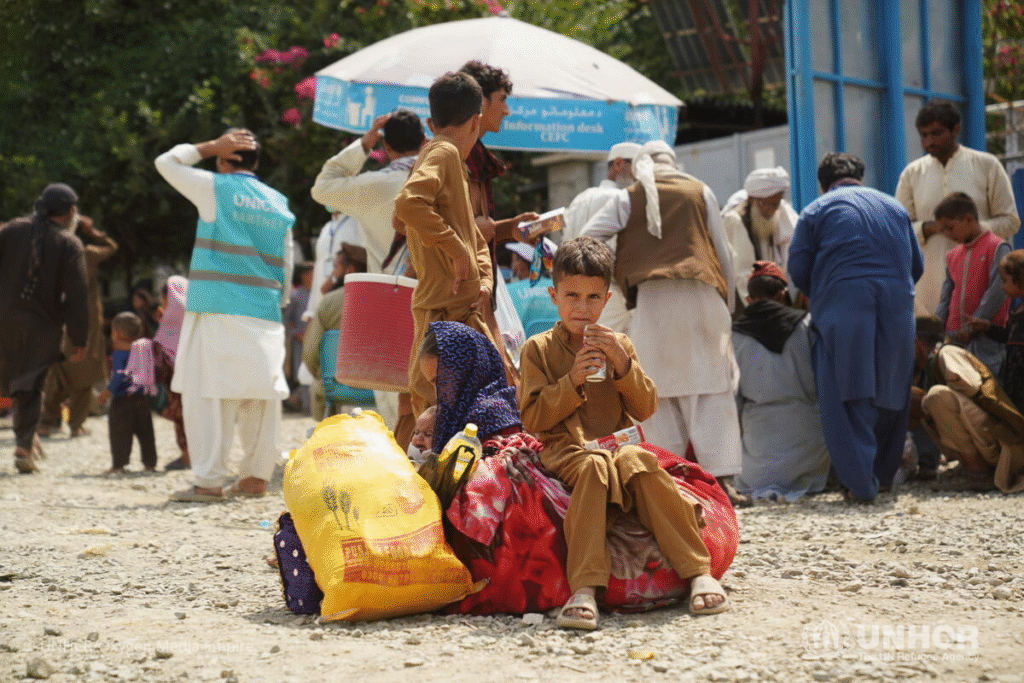
The United Nations has called on the international community to sustain humanitarian assistance for regions affected by conflict, displacement, and climate-related disasters. Officials warned that gaps in funding and delayed aid could exacerbate the plight of millions of vulnerable people.
UN representatives highlighted that crises in multiple countries require coordinated and timely interventions to address urgent needs such as food security, shelter, healthcare, and education. Aid agencies emphasized that sustained cooperation among governments, international organizations, and non-governmental organizations is essential to prevent further deterioration of living conditions.
Recent assessments indicate that humanitarian demands continue to rise, driven by ongoing conflicts, natural disasters, and the socioeconomic impacts of climate change. Officials stressed that without adequate support, vulnerable populations risk prolonged suffering, displacement, and heightened exposure to health and safety hazards.
The UN urged donors to commit resources and maintain flexible funding mechanisms that can respond quickly to emerging crises. Aid agencies also encouraged stronger coordination, transparency, and accountability to maximize the impact of assistance programs and ensure that help reaches those most in need.
Looking ahead, international leaders and humanitarian organizations are being called upon to prioritize long-term resilience-building alongside immediate relief efforts. Officials stressed that collective responsibility and proactive engagement are critical to alleviating human suffering and promoting stability in affected regions.