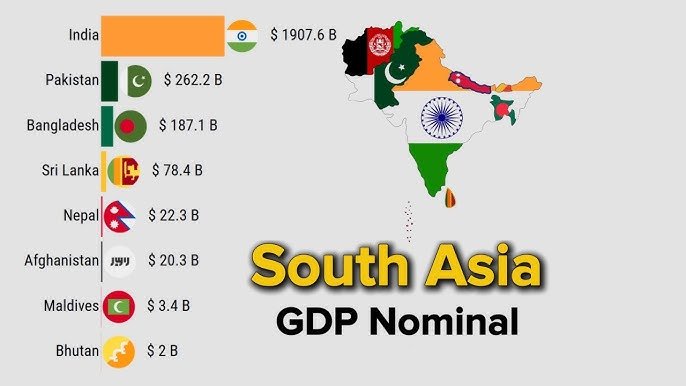
Economic policymakers from across South Asia have emphasized the importance of regional trade cooperation as countries work toward sustainable post-crisis economic recovery. During recent discussions, officials highlighted reducing trade barriers, enhancing logistics connectivity, and streamlining customs processes as critical steps to bolster intra-regional commerce.
Speakers noted that despite geographic proximity and shared markets, intra-regional trade remains well below potential. Simplified customs procedures, harmonized standards, and the adoption of digital trade platforms were identified as achievable short-term goals that could enhance efficiency and reduce transaction costs.
Sri Lankan representatives stressed the need for export diversification, particularly in agriculture, apparel, and value-added manufacturing, to strengthen resilience against fluctuations in global demand. Other countries echoed similar concerns, citing uncertainty in traditional Western markets and the need to tap regional opportunities to sustain growth.
Economists believe that stronger regional integration could help South Asian economies withstand external shocks, support small and medium enterprises (SMEs), and generate employment opportunities. They also noted that coordinated policies and investment in infrastructure could unlock the region’s trade potential and facilitate long-term economic stability.
Looking ahead, continued collaboration among South Asian nations, coupled with targeted policy reforms and investment in trade facilitation, is expected to play a key role in shaping the region’s economic recovery trajectory and fostering inclusive growth across the subcontinent.