By Staff Writer Dubai
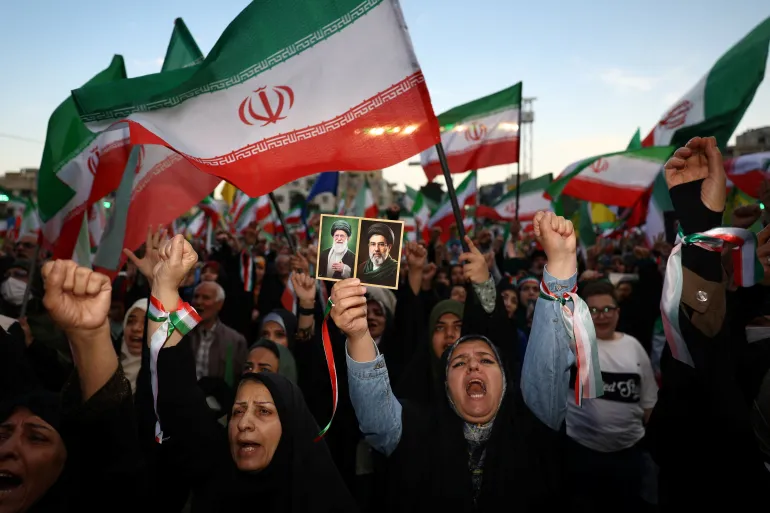
Iran has submitted a sweeping 14-point peace proposal to the United Nations and the United States, aimed at ending the escalating conflict in West Asia and resetting its volatile relationship with the West.
The document, which has been described by Tehran as a “realistic roadmap for regional stability,” reportedly addresses the core flashpoints of the current war, including the status of Gaza, the withdrawal of foreign forces, and the long-standing dispute over Iran’s nuclear programme.
While the full text has not been made public, sources close to the negotiations suggest the plan calls for an immediate ceasefire and a “regional security architecture” led by Middle Eastern nations rather than external powers.
The ‘Trump Factor’
The proposal arrives at a pivotal moment in Washington. With Donald Trump back in the White House, the Iranian leadership appears to be testing the “deal-making” instincts of the 47th President.
During his first term, Mr Trump withdrew from the landmark nuclear deal and pursued a “maximum pressure” campaign against Tehran. However, throughout his 2024 campaign, he repeatedly stated his desire to end “endless wars” and secure new, “tougher” agreements.
Analysts are divided on whether Mr Trump will engage. “The President prides himself on being a negotiator,” says Sarah Jenkins, a Middle East analyst. “If Iran offers a deal that looks like a victory for American interests and brings the troops home, he might just take it. But the domestic political cost of appearing ‘soft’ on Tehran remains a high barrier.”
What is in the 14 points?
According to leaked details, the proposal includes:
- A Two-State Framework: Recognition of a Palestinian state alongside security guarantees.
- Sanctions Relief: A phased lifting of economic sanctions in exchange for enhanced nuclear monitoring.
- Regional Non-Aggression: A pact between Iran and its Gulf neighbours to prevent proxy conflicts.
- Reconstruction Fund: An international effort to rebuild war-torn areas in Lebanon and Gaza.
Deep-seated skepticism
Despite the diplomatic overture, skepticism remains high in both Washington and Jerusalem. Critics argue that the proposal is a “stalling tactic” designed to provide Tehran with breathing room while it continues to support its regional allies.
Israel has signaled that it will not accept any deal that allows Iran to maintain its current level of influence near its borders. Meanwhile, some members of the US Congress have already voiced opposition, insisting that no deal can be reached until Iran completely halts its ballistic missile development.
The road ahead
The UN Security Council is expected to review the document in an informal session later this week. For the people of the region, caught in the crossfire of a year-long war, the proposal represents a rare, if fragile, glimmer of diplomatic movement.
Whether this 14-point plan becomes the foundation for a historic “grand bargain” or joins a long list of failed Middle Eastern peace initiatives depends entirely on the appetite for compromise in Tehran and, crucially, the response from the Oval Office.