Donald Trump’s influence on global politics did not end with his departure from the White House. On the contrary, his political philosophy—marked by nationalism, unpredictability, and transactional diplomacy—continues to shape international relations. Trump represents a broader shift in global politics where traditional norms are increasingly challenged by populist leaders and domestic-first agendas.
Trump’s approach to foreign policy redefined America’s role in the world. Alliances were no longer viewed as long-term strategic commitments, but rather as cost-benefit arrangements. NATO partners were pressured, trade agreements were renegotiated or abandoned, and multilateral institutions were openly criticized. This created instability in a global system that had relied on predictability and U.S. leadership for decades.
The Trump era normalized political disruption. His rhetoric emboldened nationalist movements worldwide, weakening liberal democratic norms and strengthening authoritarian tendencies. Countries once aligned with multilateral cooperation began reassessing their positions, leading to fragmentation in global governance structures.
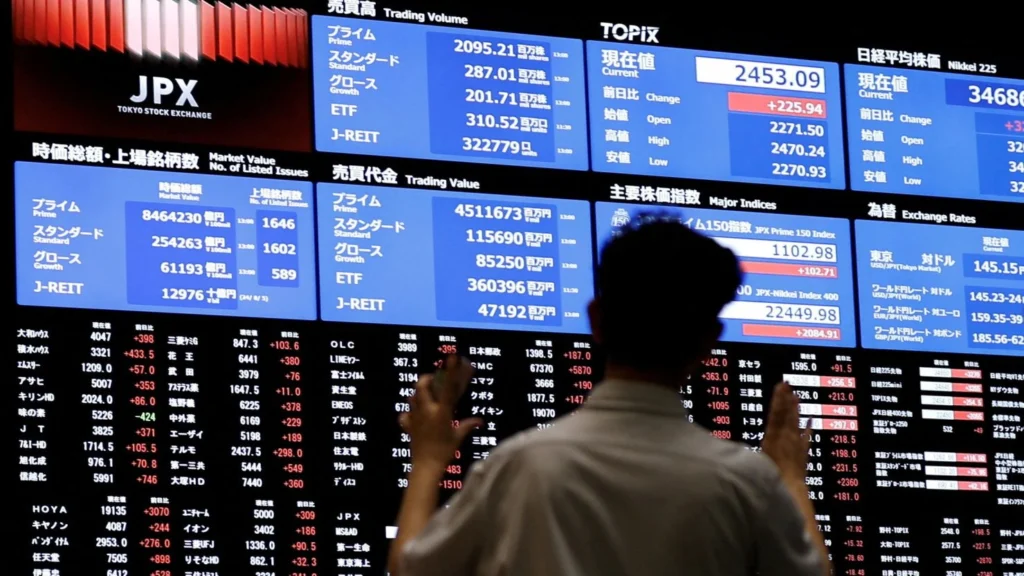
Even outside the office, Trump remains a powerful political force. His potential return to power has reintroduced uncertainty into global geopolitics. Markets, allies, and adversaries alike are forced to calculate risks based on his unpredictable style. For smaller nations, especially those dependent on stable global trade and diplomacy, this uncertainty poses significant challenges.
Trump’s legacy also highlights a deeper issue: the growing divide between globalism and nationalism. As economic inequality and cultural anxieties rise, leaders who promise protectionism and strongman politics gain traction. This trend threatens international cooperation on critical issues such as climate change, security, and global health.
The world is now navigating a more volatile geopolitical environment, where rules are flexible, and power dynamics shift rapidly. Whether Trump returns to office or not, the era he symbolizes is far from over. Global politics has entered a phase where disruption is no longer the exception—it is becoming the norm.