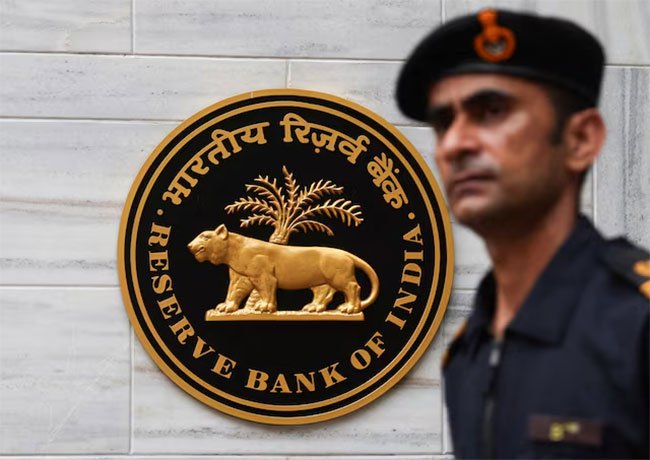
NEW DELHI — India’s central bank has proposed that BRICS countries link their official digital currencies to simplify cross-border trade and tourism payments, Reuters reported, a move that could reduce reliance on the US dollar amid rising geopolitical tensions.
The Reserve Bank of India (RBI) has recommended to the government that a proposal connecting the central bank digital currencies (CBDCs) be included on the agenda for the 2026 BRICS summit, sources told Reuters.
India will host the summit later this year. If approved, it would be the first time BRICS members formally consider linking their digital currencies.
A Move That Could Challenge the Dollar
The initiative could draw criticism from Washington, which has warned against any efforts to bypass the dollar. Former US President Donald Trump has previously described the BRICS alliance as “anti-American” and threatened tariffs against its members.
BRICS and Digital Currency Interoperability
The proposal builds on a 2025 BRICS declaration in Rio de Janeiro, which called for interoperability between member payment systems to improve cross-border transactions.
While none of the five main BRICS members — Brazil, Russia, India, China and South Africa — have fully launched their digital currencies, all are running pilot projects.
India’s digital currency, the e-rupee, launched in December 2022 and has attracted 7 million retail users, while China has pledged to expand the international use of the digital yuan.
Technical and Regulatory Challenges
Sources said key issues to be discussed include interoperable technology, governance rules, and managing trade imbalances. One option being explored is bilateral foreign exchange swap arrangements between central banks to settle imbalances.
A Long Road Ahead
BRICS has struggled in the past to create a common currency, and previous attempts to boost trade in local currencies faced challenges. India and Russia, for example, accumulated large rupee balances that were difficult to utilise.
The proposal may also face delays due to reluctance among members to adopt technological platforms from other countries.
Stablecoins vs CBDCs
India has promoted the e-rupee as a safer, regulated alternative to stablecoins. RBI Deputy Governor T. Rabi Sankar recently highlighted risks associated with stablecoins, including threats to monetary stability and fiscal policy.