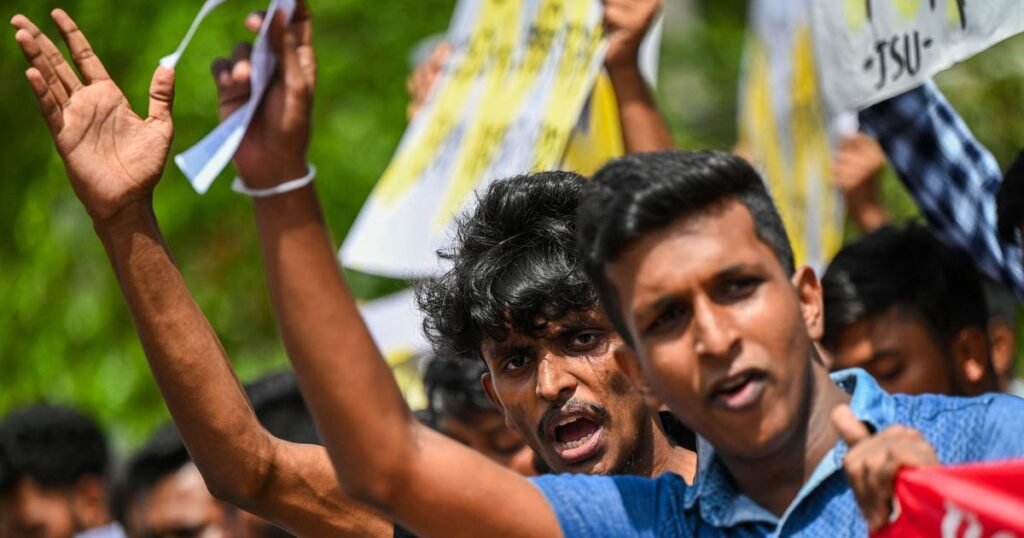
Sri Lankan political parties are increasingly focusing on youth engagement amid concerns over voter apathy.
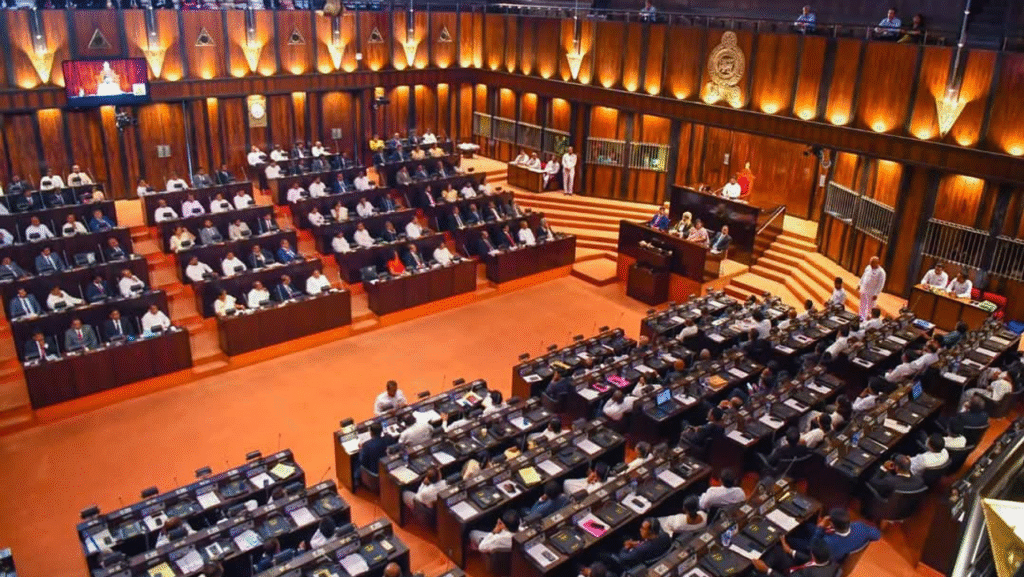
Youth political engagement has become a growing topic of discussion in Sri Lanka, as parties seek to mobilise younger voters ahead of future elections. With a significant proportion of the electorate under the age of 35, political strategists view youth participation as a decisive factor in shaping electoral outcomes.
Recent campaigns and policy forums have highlighted issues such as employment, education reform, and digital innovation, reflecting priorities frequently raised by young Sri Lankans. Social media platforms have also emerged as key tools for political messaging, enabling direct interaction between leaders and younger audiences.
However, analysts caution that engagement efforts must go beyond campaign rhetoric. Surveys indicate persistent scepticism among young voters regarding traditional politics, driven by concerns over corruption and limited economic opportunities. Civil society organisations have called for institutional reforms to restore trust and encourage sustained participation.
Observers note that meaningful youth engagement could influence policy agendas, particularly in areas related to economic reform and governance. Whether political parties can translate outreach initiatives into lasting participation remains an open question, but the spotlight on youth signals a shifting dynamic within Sri Lanka’s political sphere.