Former chair cites unlawful requests; minister denies interference
The resignation of Lanka Sugar Company’s Chairperson, Attorney-at-Law Sandamali Chandrasekara, has raised questions about possible political pressure within Sri Lanka’s state-owned enterprises.
She stepped down from her position on February 17, informing Minister of Industries and Entrepreneurship Development Sunil Handunnetti in writing.
She is the second chairperson appointed by the current government to resign within a short period. Her predecessor, Rukshan Gunathilaka, also stepped down earlier.
📄 Reasons cited in resignation
In her resignation letter, Chandrasekara stated that the company operates under strict legal and financial controls, limiting its ability to respond to external requests.
She noted that:
- multiple requests were made that violated regulations and legal procedures
- the board and management were bound by strict compliance requirements
- such requests could not be accommodated without breaching the law
⚠️ Allegations of political pressure
Chandrasekara further indicated that her refusal to comply with such requests led to tensions with certain political figures.
She stated that continuous pressure from local politicians to act outside legal frameworks made it difficult to carry out her duties in line with good governance.
👩💼 CEO also resigns
Amid the same circumstances, the company’s Chief Executive Officer, Deepika Gunathilaka, has also resigned, according to a senior official who spoke on condition of anonymity.
The official said that management had attempted to implement reforms in line with government guidelines, but faced external demands that could not be fulfilled within legal boundaries.
🏛️ Minister’s response
Minister Sunil Handunnetti denied any political interference, stating that leadership changes in state institutions are routine.
“I am not aware of any such political pressure,” he said.
🔍 Background
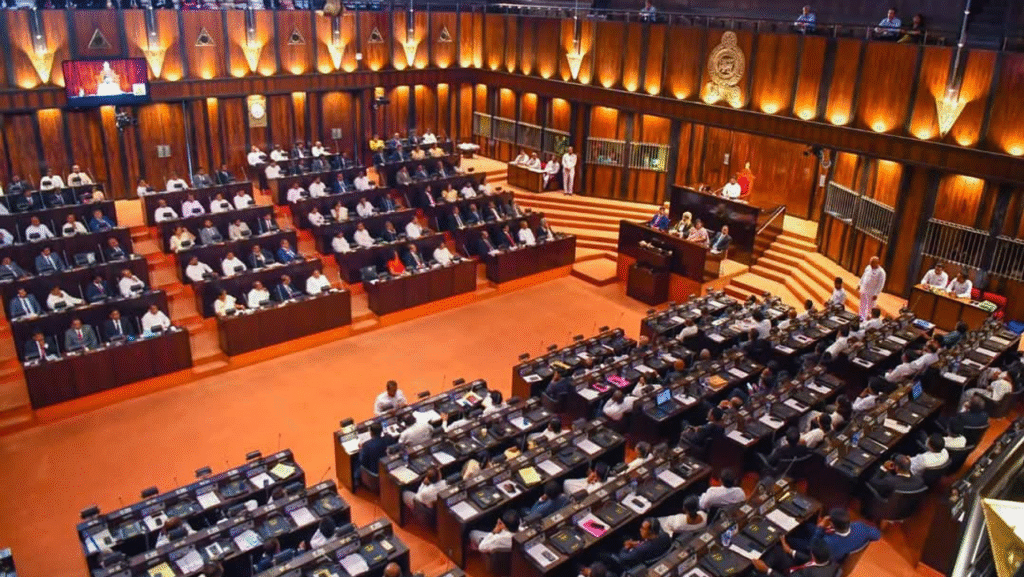
The developments have renewed debate over governance in state-owned enterprises, particularly regarding the balance between political influence and institutional independence.
Observers note that ensuring transparency and adherence to legal frameworks remains a key challenge for public sector institutions in Sri Lanka.