Sri Lanka’s past week has been marked by two significant developments that have reignited public debate — the expression of regret in a Supreme Court case related to an arrest under the ICCPR Act, and renewed scrutiny over the salaries and allowances of Members of Parliament.
Taken together, these developments raise a fundamental question: Is the law being applied in the interest of the people, or in service of power?
The admission of regret by a former CID officer over the arrest of a comedian under the ICCPR Act is more than a routine legal update. It highlights the serious consequences of misapplying the law. When legal provisions are used incorrectly, they can directly affect an individual’s freedom, dignity, and reputation.
The introduction of new guidelines for arrests under the ICCPR Act is a welcome step. However, it also raises a deeper issue — are legal frameworks alone sufficient, or is a culture of accountability equally necessary?
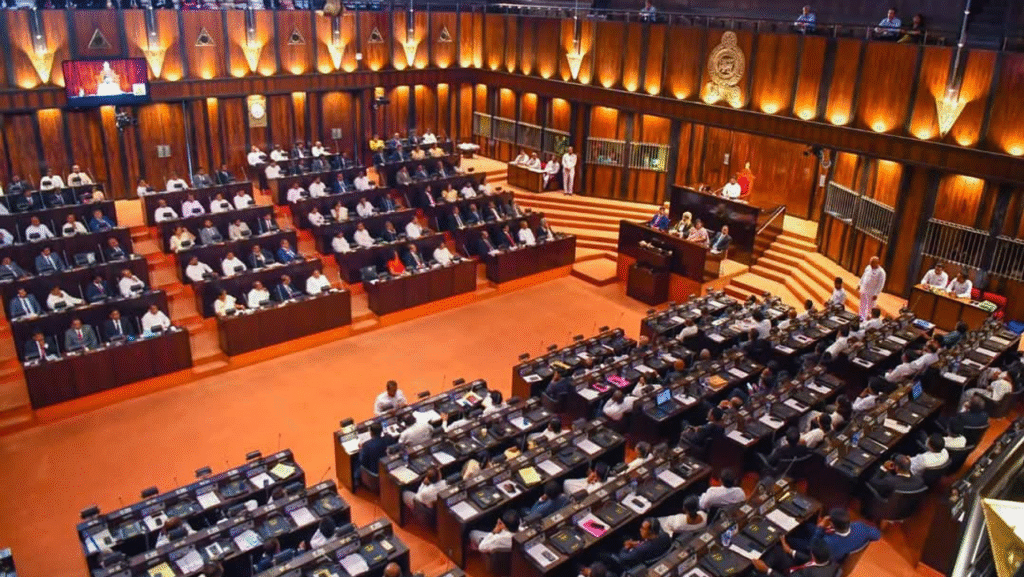
At the same time, the debate over MPs’ salaries and allowances has once again brought the issue of political transparency to the forefront. While there have been claims of financial sacrifice and reforms such as the abolition of pensions, disclosures in Parliament suggest that the majority of MPs continue to receive their full benefits.
This gap between political narratives and actual practice risks further eroding public trust. Citizens are increasingly demanding not just promises, but tangible accountability.
Both these issues ultimately point to a broader challenge facing Sri Lanka — a crisis of trust.
Trust in:
- the legal system
- political leadership
- public institutions
Without trust, governance becomes fragile, and reforms lose credibility.
Rebuilding that trust requires more than policy changes. It demands:
- transparency in decision-making
- accountability for actions
- equal application of the law
Sri Lanka’s path forward will depend not only on strengthening its laws, but also on fostering a culture that respects and upholds them.
Ultimately, the responsibility for setting that standard lies with those in positions of power.