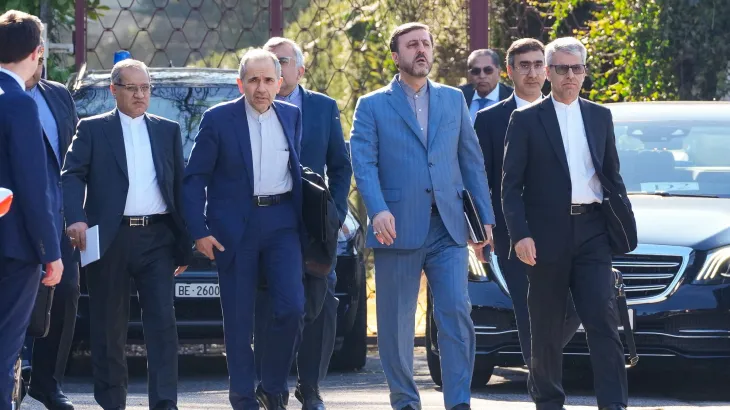
Tehran/Geneva – A fresh round of indirect negotiations between the United States and Iran concluded in Geneva with both sides describing the discussions as “serious” and “constructive.” However, few concrete details were released, and significant differences remain unresolved, raising continued concerns over potential military escalation in the region.
Iranian Foreign Minister Abbas Araghchi stated that the talks marked the “most serious and longest” engagement so far. He confirmed that technical-level discussions will continue in Vienna next week in an effort to narrow outstanding gaps. Mediation efforts were led by Oman’s Foreign Minister Badr bin Hamad Al Busaidi, who has played a central role in facilitating communication between the two adversaries.
Although described as positive, the negotiations did not produce a formal agreement. Iranian officials reportedly submitted written proposals aimed at testing Washington’s willingness to compromise. These proposals are believed to include steps such as diluting part of Iran’s 60 percent enriched uranium stockpile while keeping the material inside the country, paired with potential economic cooperation involving Iran’s energy sector and aviation purchases.
Key Points of Disagreement
Fundamental disputes remain over uranium enrichment and Iran’s ballistic missile programme. Washington, aligned closely with Israel, has reiterated that it will not accept any uranium enrichment activity on Iranian soil, even at civilian levels permitted under the 2015 nuclear agreement — a deal abandoned by former US President Donald Trump in 2018.
In recent days, US officials have increasingly highlighted concerns over Iran’s missile capabilities, citing threats to American bases in the Middle East and to Israel. Tehran, however, has firmly rejected any discussion concerning its conventional weapons programme, maintaining that its missile arsenal is strictly defensive.
Iranian President Masoud Pezeshkian dismissed US allegations branding Iran as a leading sponsor of terrorism, arguing instead that Iran has been a victim of terrorism for decades, particularly following the 1979 Islamic Revolution.
IAEA and International Pressure
Also present during the Geneva talks was International Atomic Energy Agency (IAEA) Director General Rafael Grossi. Any future agreement would require the UN nuclear watchdog to oversee verification and monitoring mechanisms inside Iran.
Western diplomatic sources have suggested that the IAEA board could revisit the issue of censuring Iran if negotiations fail to yield measurable progress. Tehran has previously accused the agency of politicised conduct.
Military Posturing and Regional Tensions
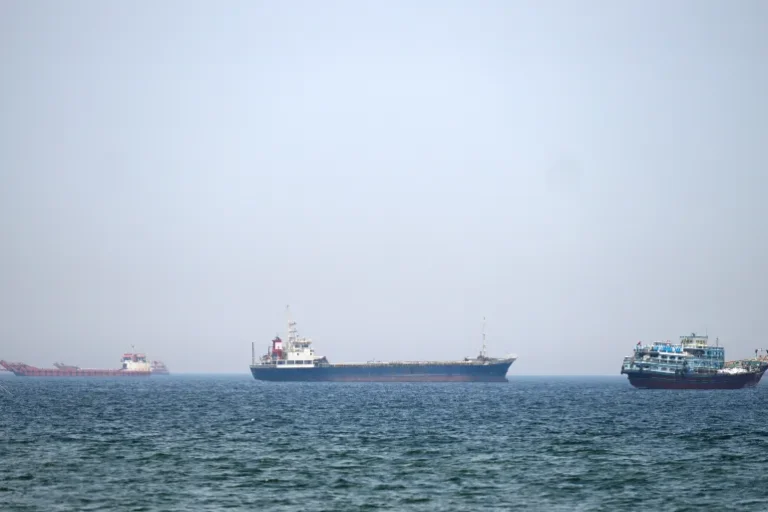
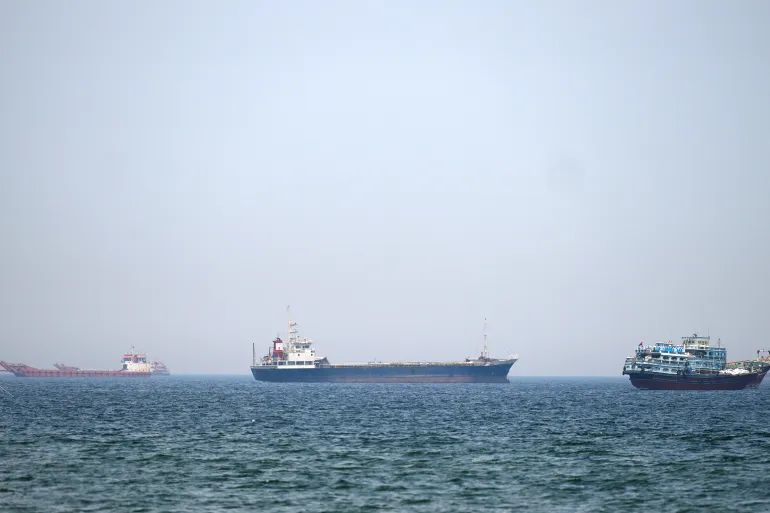
The talks come amid heightened military movements in the region. The United States has repositioned naval assets in the Mediterranean and the Middle East, while Iranian leaders continue to issue strong warnings against external interference.
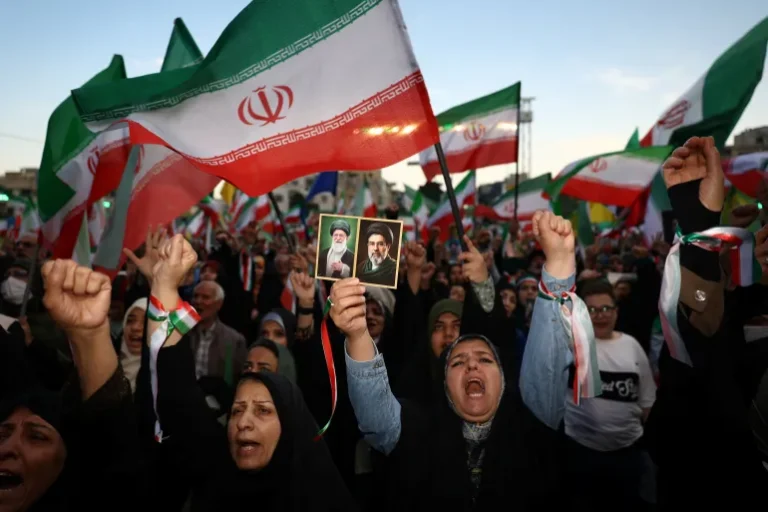
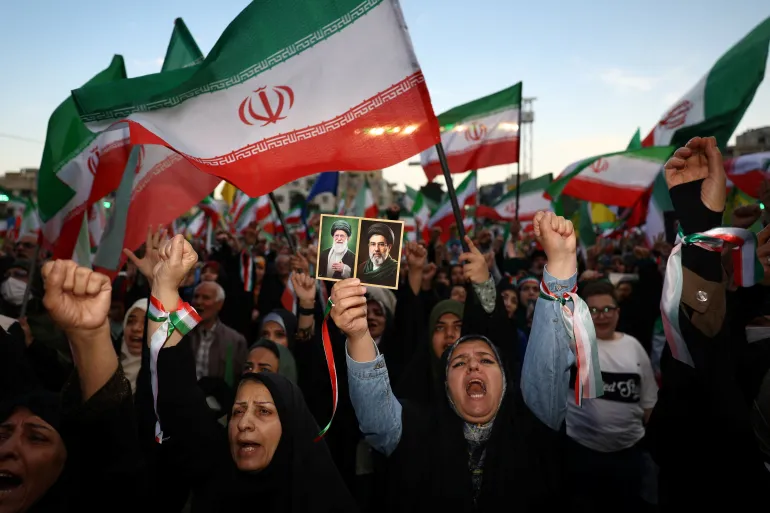
Iran’s Supreme Leader Ayatollah Ali Khamenei has expressed skepticism about the prospects for a durable agreement, dismissing suggestions of regime change and warning that the Islamic Republic’s governing structure would remain intact regardless of external pressure.
Economic Strain Inside Iran
Meanwhile, ordinary Iranians continue to face severe economic hardship. Official data released this week shows annual inflation surpassing 60 percent, with food prices rising dramatically. The Iranian rial remains near historic lows against the US dollar.
Amid fears of renewed conflict, some citizens are reportedly stocking essential supplies, reflecting growing public anxiety over the possibility of war.
Uncertain Path Ahead
While both sides publicly acknowledge progress, observers note that the absence of clear concessions underscores the fragility of the diplomatic process. The upcoming technical discussions in Vienna may determine whether the talks move toward a structured agreement or stall once again — potentially heightening instability across the Middle East.