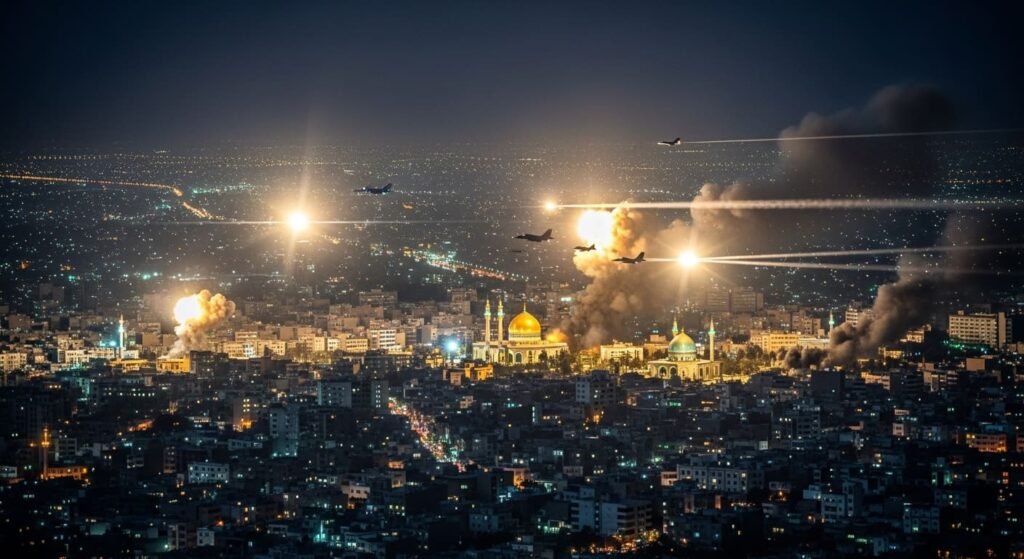
The Middle East entered a dangerous new phase of conflict after the United States and Israel launched coordinated airstrikes targeting key military and strategic sites inside Iran. The operation, described by Washington as a “preemptive measure,” aimed to dismantle Iran’s missile capabilities and disrupt its alleged nuclear program.
Explosions were reported across multiple cities, including Tehran, Isfahan, and Kermanshah. Military bases, government facilities, and suspected missile storage sites were hit in what officials described as one of the most extensive aerial campaigns in recent history.
US officials stated that the strikes were designed to eliminate “imminent threats” posed by Iran’s growing missile arsenal. Israeli authorities echoed similar concerns, citing intelligence that Iran was accelerating efforts to develop long-range weapons capable of reaching regional and global targets.
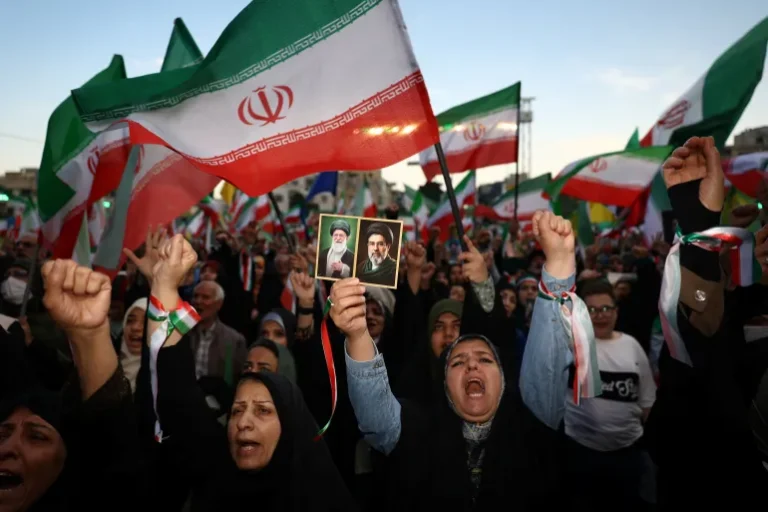
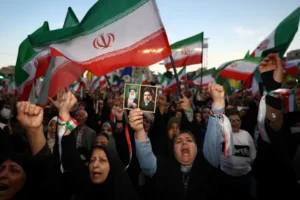
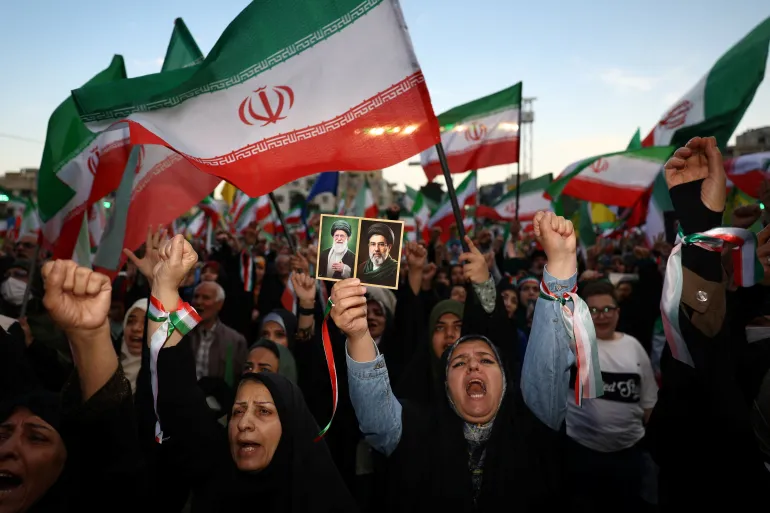
Iran condemned the strikes as an “unprovoked act of aggression,” warning that it would respond decisively. Officials in Tehran accused both Washington and Tel Aviv of violating international law and escalating tensions in an already fragile region.
The attack followed weeks of stalled diplomatic negotiations regarding Iran’s nuclear program. Talks mediated by Oman had raised hopes of de-escalation, but those efforts collapsed just days before the strikes.
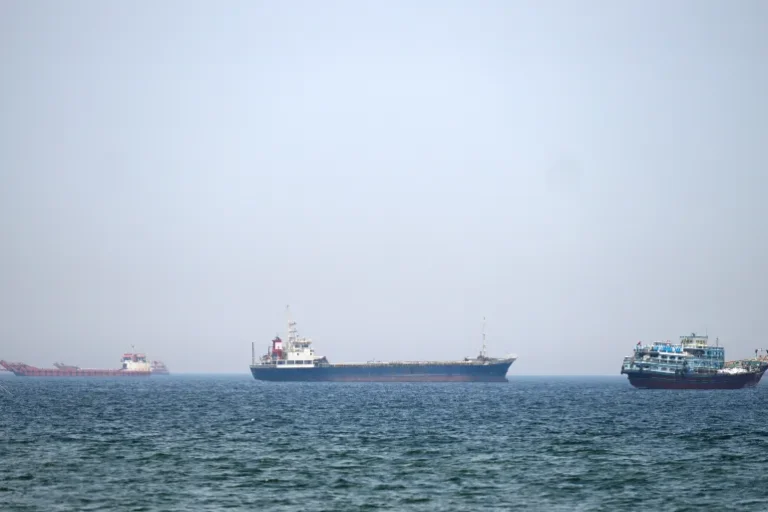
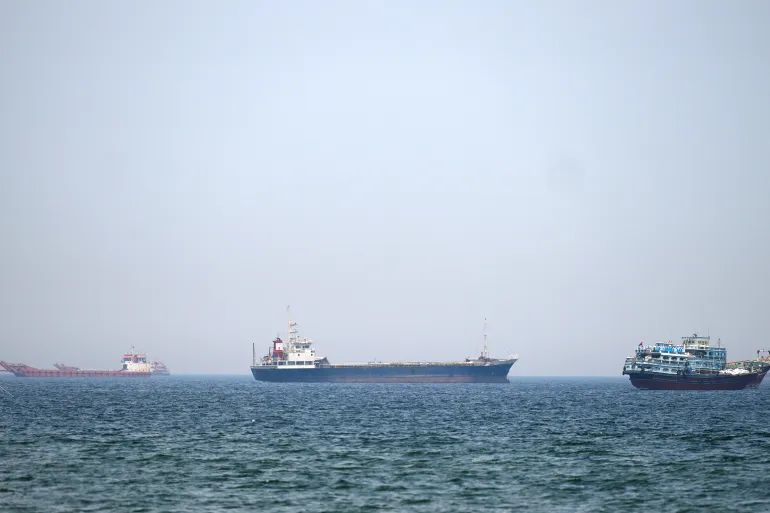
Global markets reacted immediately, with oil prices surging amid fears of supply disruptions. Airlines began rerouting flights, and several countries issued travel advisories for the Middle East.
Analysts warn that the conflict could quickly expand beyond Iran, drawing in neighboring states and global powers. The initial strike marks the beginning of what could become a prolonged and unpredictable confrontation.
The world now watches closely as Iran prepares its response, raising concerns about the possibility of a broader regional war.