The escalating conflict in the Middle East has triggered intense diplomatic confrontations at the United Nations Security Council, where global powers are sharply divided over the legality and consequences of the US–Israel strikes on Iran.
UN Secretary-General António Guterres warned that the situation represents a “grave threat to international peace and security,” urging all parties to step back from the brink and return to diplomacy. He emphasized that continued military escalation could ignite a chain reaction beyond anyone’s control in one of the world’s most volatile regions.
However, member states remain deeply divided. Russia condemned the strikes as an “unprovoked act of aggression” and accused the United States and Israel of violating international law. China echoed similar concerns, calling the attacks “brazen” and stressing the need to respect Iran’s sovereignty and territorial integrity.
France and the United Kingdom adopted a more balanced stance, acknowledging security concerns while emphasizing the importance of returning to negotiations. The UK highlighted that regional stability remains a priority and confirmed that its military assets are engaged in defensive operations.
The United States defended the strikes, arguing that they were necessary to dismantle Iran’s missile capabilities and prevent the development of nuclear weapons. US officials warned that Iran’s actions posed a “grave and growing threat” that could not be ignored.
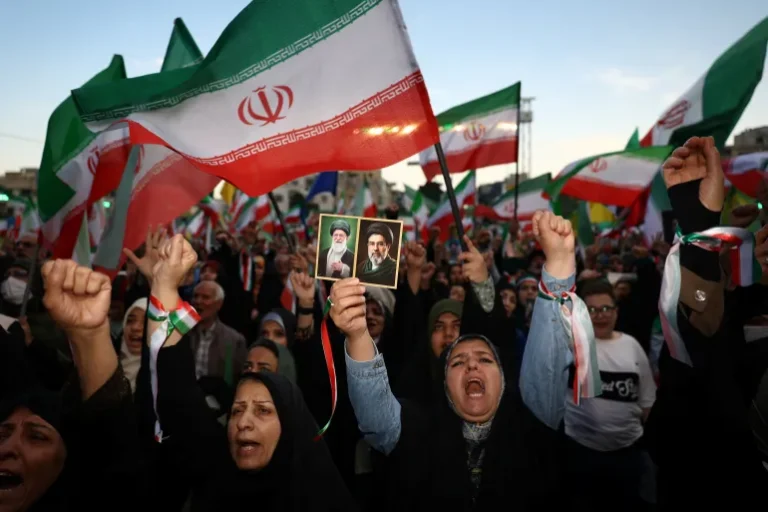
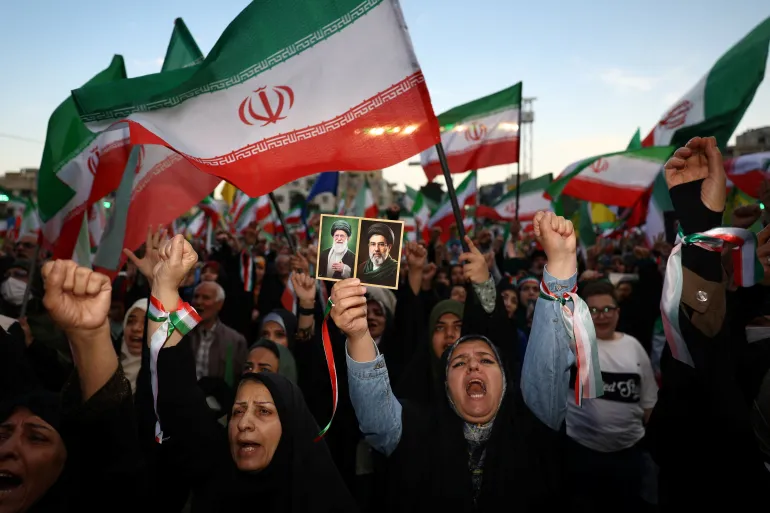
Iran, in turn, strongly condemned the attacks, labeling them as “war crimes” and accusing Western powers of targeting civilian areas. Iranian representatives rejected claims about nuclear ambitions, insisting that their program is peaceful.
The sharp divisions at the UN highlight the complexity of the crisis. With diplomacy faltering and military actions intensifying, the international community faces one of its most challenging moments in recent history.