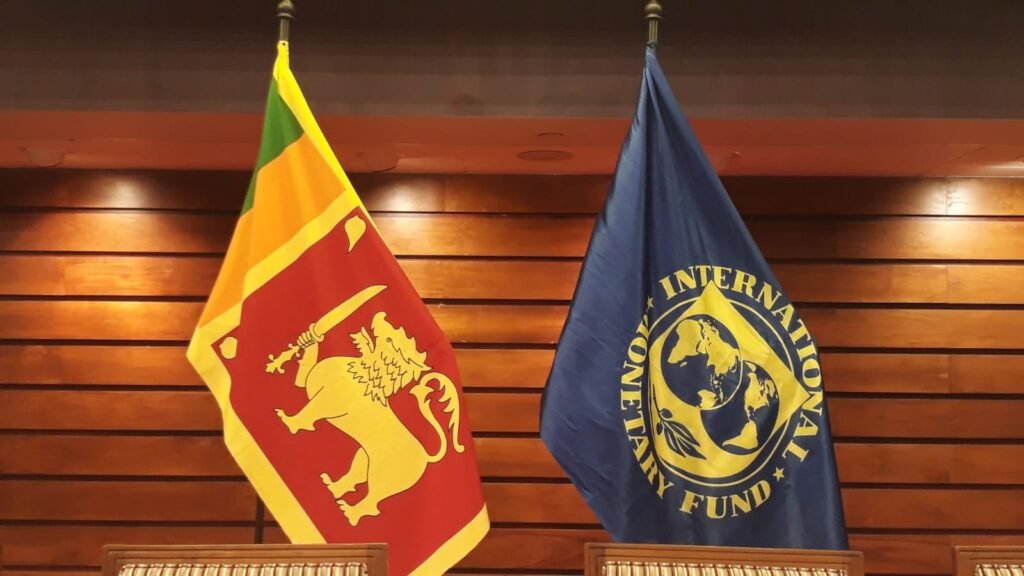
Sri Lanka continues to demonstrate cautious yet steady progress in its economic recovery, with authorities reaffirming their commitment to reforms under the International Monetary Fund (IMF) program. Fiscal discipline remains a central focus, with improved tax collection and tighter expenditure controls helping stabilize public finances.
The Central Bank reports a gradual increase in foreign reserves alongside relative exchange rate stability. Tourism earnings and worker remittances have also contributed to strengthening the country’s external position. These developments have helped restore a degree of investor confidence after years of economic uncertainty.
However, public sentiment remains mixed. Many households continue to face cost-of-living pressures, particularly due to taxation and utility costs. Trade unions and civil groups are calling for relief measures and salary adjustments to ease the burden.
The government is also moving forward with restructuring state-owned enterprises (SOEs), aiming to reduce long-term fiscal risks. Energy sector reforms and digital tax systems are being introduced as part of broader structural changes.
Economists emphasize that maintaining political stability will be essential for sustaining recovery. While early indicators are promising, consistent policy implementation and social consensus will determine whether Sri Lanka can achieve long-term economic resilience.