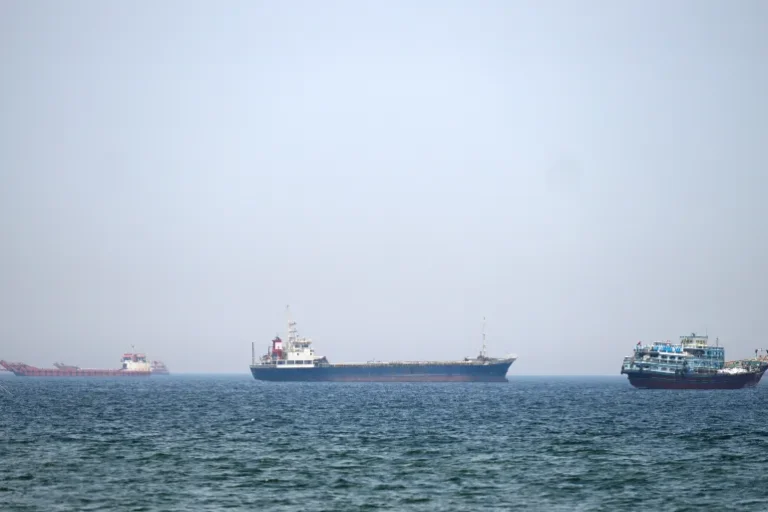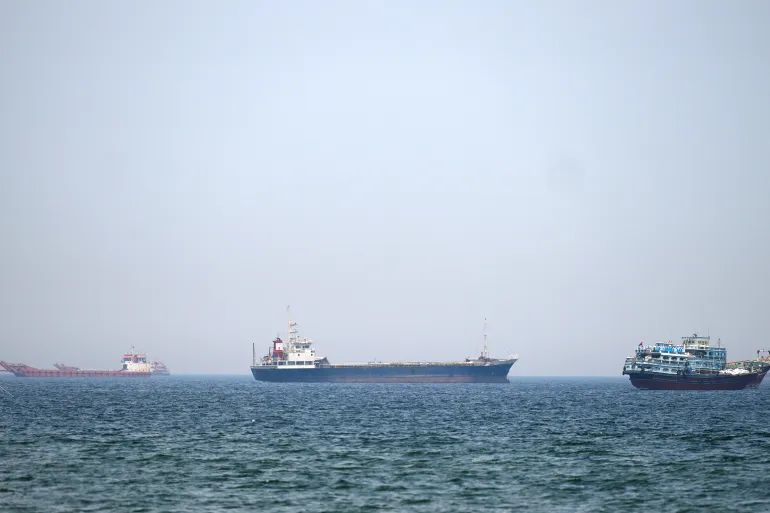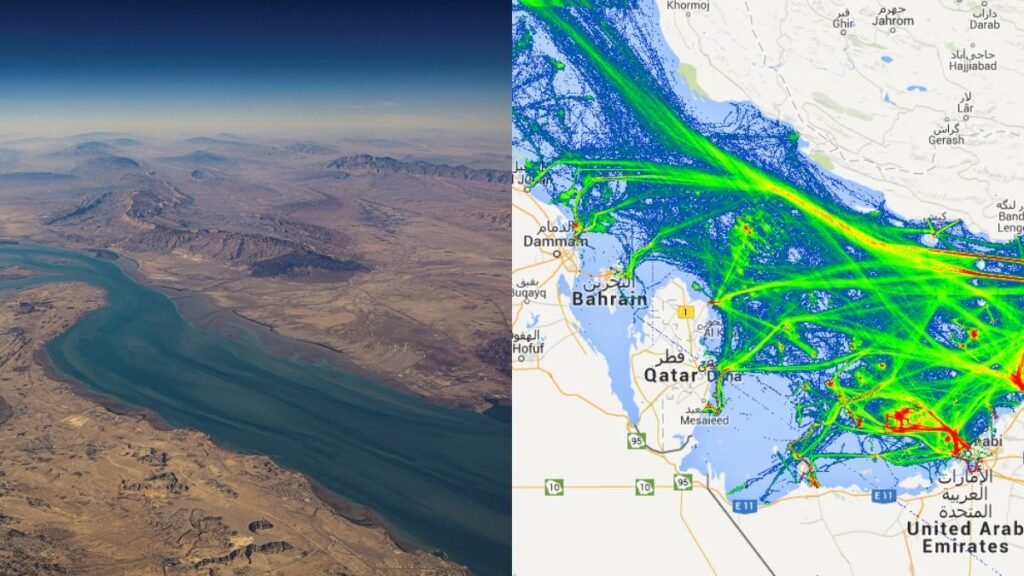
The Strait of Hormuz—a narrow but vital maritime corridor—has once again become the focal point of global economic anxiety. Nearly one-fifth of the world’s oil supply passes through this chokepoint, making it one of the most strategically important shipping routes on the planet.
Recent military tensions in the surrounding region have led to a sharp decline in tanker movements, as shipping companies and insurers reassess the risks of operating in the area. Reports indicate that several vessels have either delayed transit or rerouted entirely, contributing to supply disruptions.
As a result, global oil prices have surged, triggering ripple effects across international markets. Countries heavily dependent on energy imports—particularly in Asia—are facing renewed inflationary pressure. This could slow down economic recovery efforts in multiple regions, including South Asia.
Naval forces from several countries have increased their presence in the Gulf to ensure the নিরাপද passage of commercial vessels. However, the risk of confrontation remains high. Even a minor incident—such as the seizure of a tanker or a naval clash—could have immediate and severe consequences for global energy markets.
Economists warn that a prolonged disruption in the Strait of Hormuz could lead to a global economic slowdown. Rising fuel costs would impact transportation, manufacturing, and food supply chains, ultimately affecting everyday consumers worldwide.