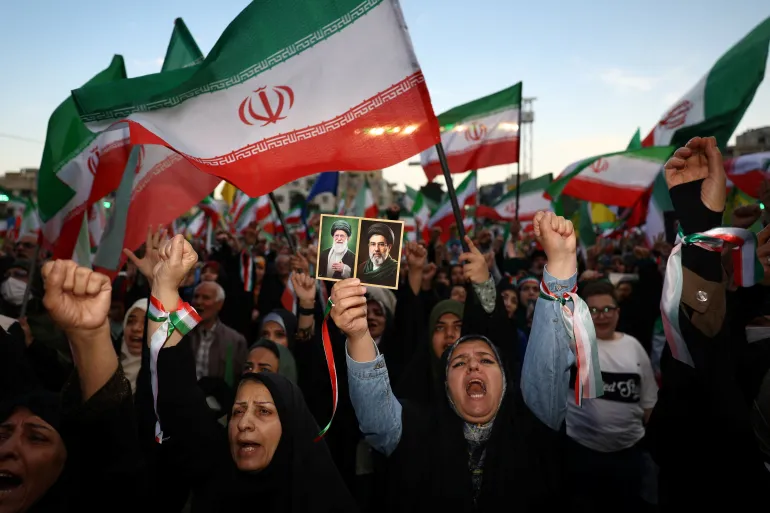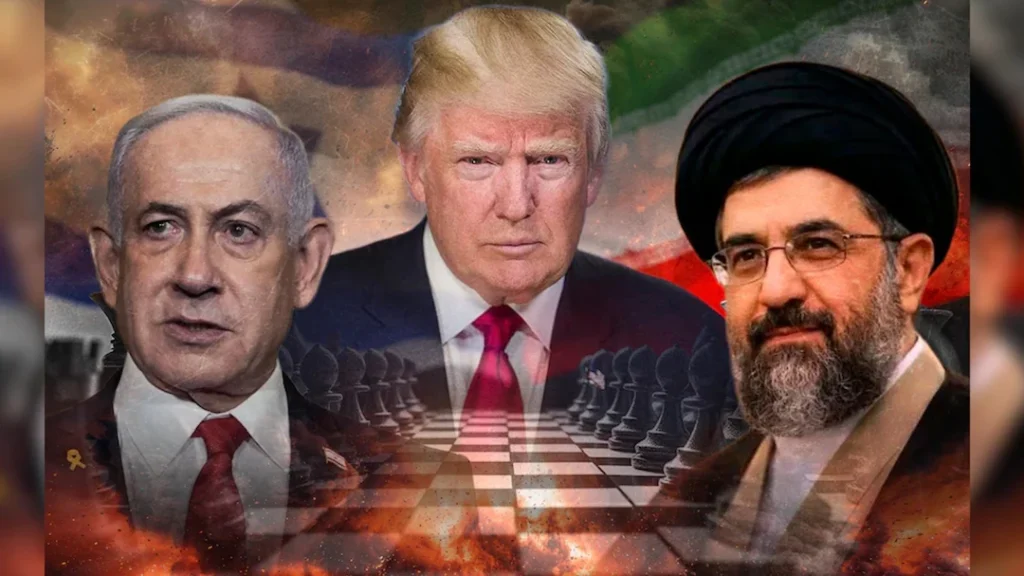
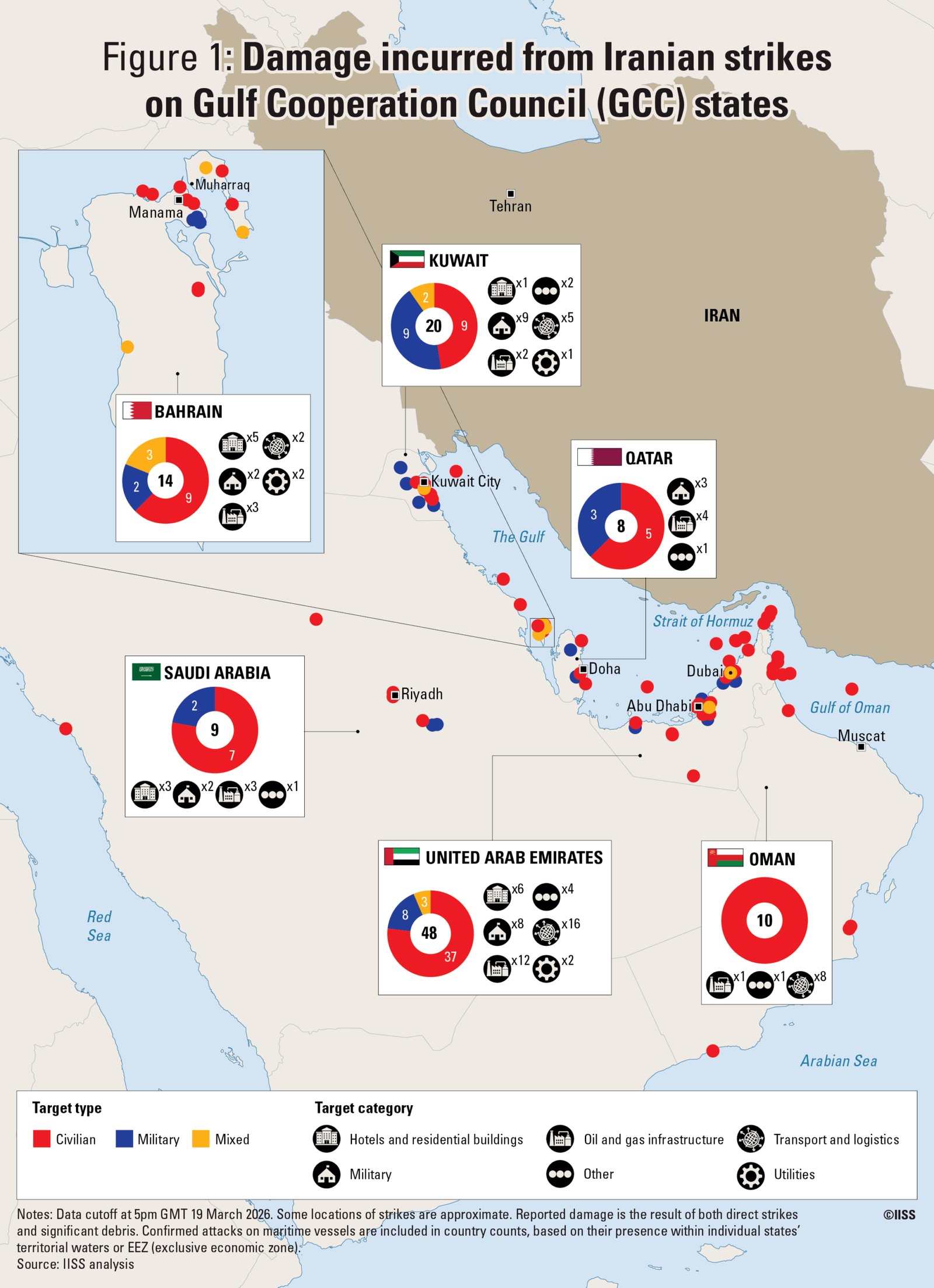
The ongoing confrontation between the United States, Iran, and Israel has evolved into one of the most dangerous geopolitical crises in recent history. What initially began as a series of targeted strikes and retaliatory actions has now expanded into a broader, multi-front conflict involving several regional actors.
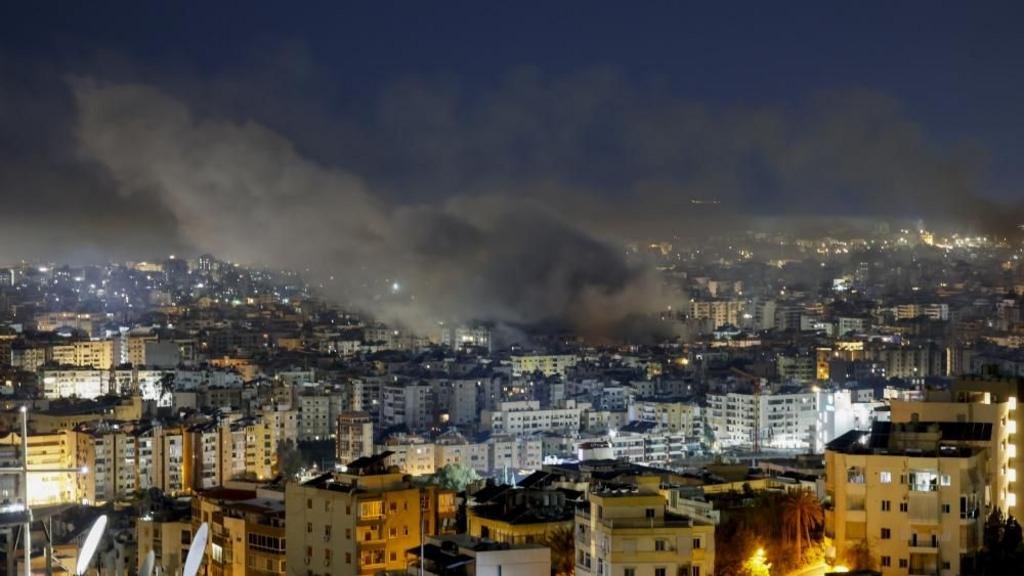
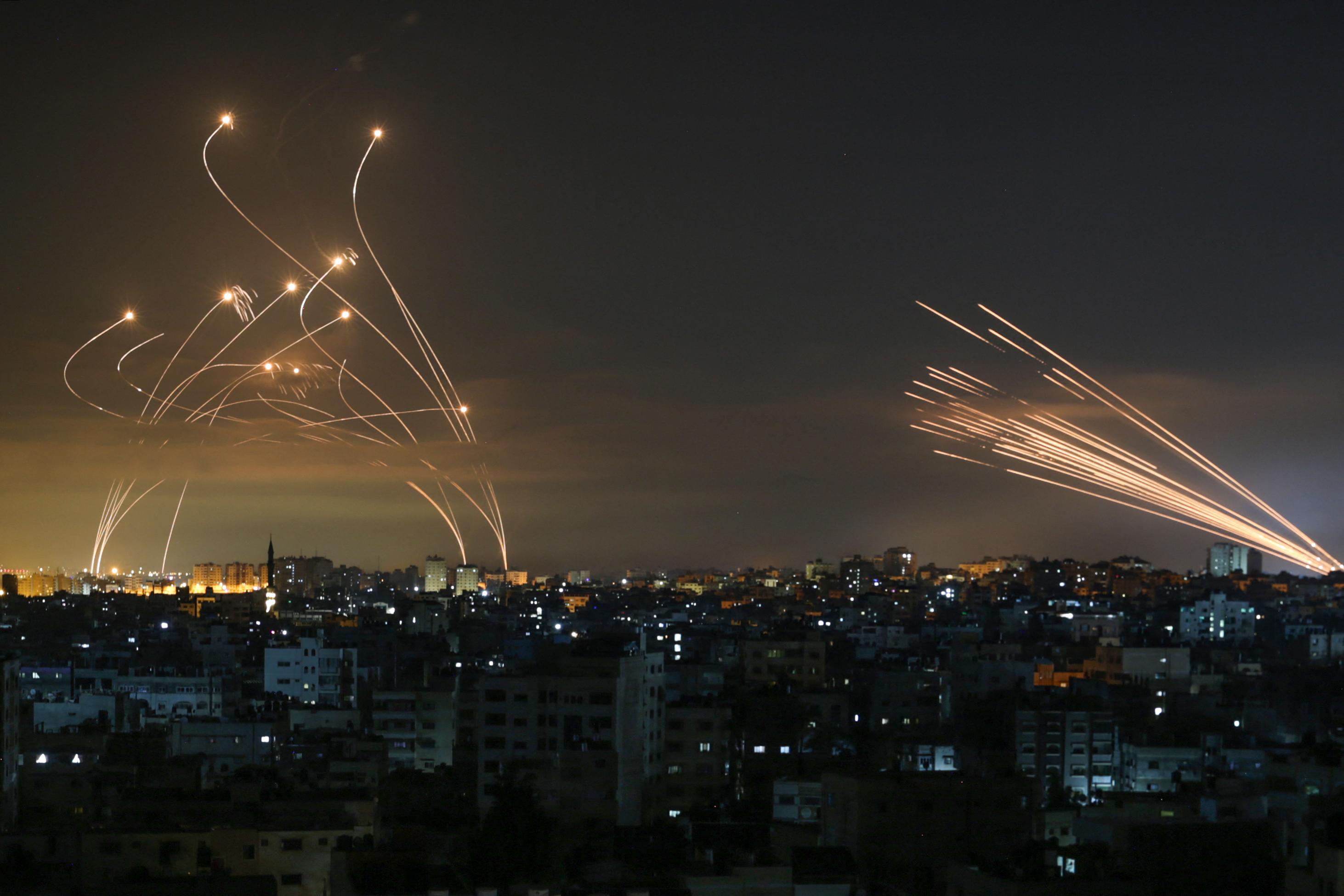
Over the past 48 hours, missile and drone exchanges have intensified, with reported strikes targeting military installations, infrastructure, and strategic assets across the region. Tehran has faced multiple air raids, while Israel has activated its advanced air defense systems to intercept incoming threats.
The situation is further complicated by the involvement of proxy groups operating in countries such as Lebanon, Iraq, and Yemen. These groups have launched attacks on strategic locations, widening the scope of the conflict and increasing the risk of a full-scale regional war.
From a geopolitical standpoint, this conflict is no longer limited to bilateral tensions. It now reflects a broader power struggle in the Middle East, with global powers closely monitoring developments. The United States has reinforced its military presence in the region, while Iran continues to demonstrate its capability to respond asymmetrically through both conventional and unconventional means.
Analysts warn that any miscalculation—such as a direct strike on critical infrastructure or civilian centers—could trigger an uncontrollable escalation. Diplomatic efforts are ongoing, but the rapidly changing battlefield dynamics are making negotiations increasingly difficult.