By Staff Writer Colombo, Sri Lanka
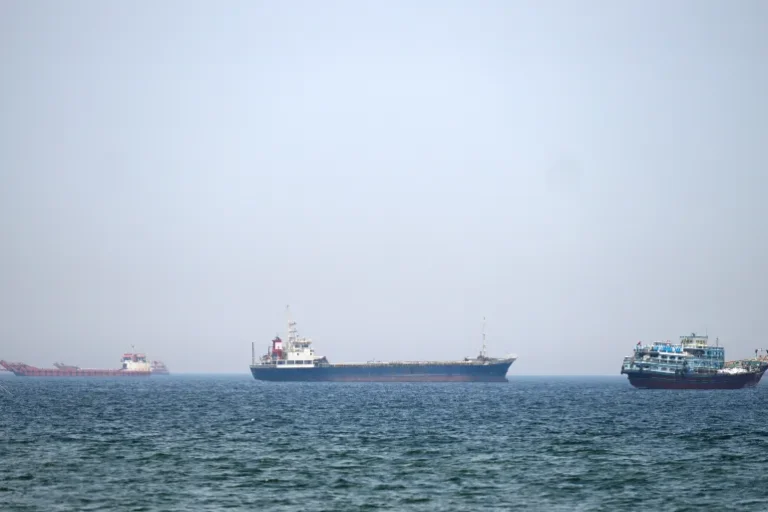
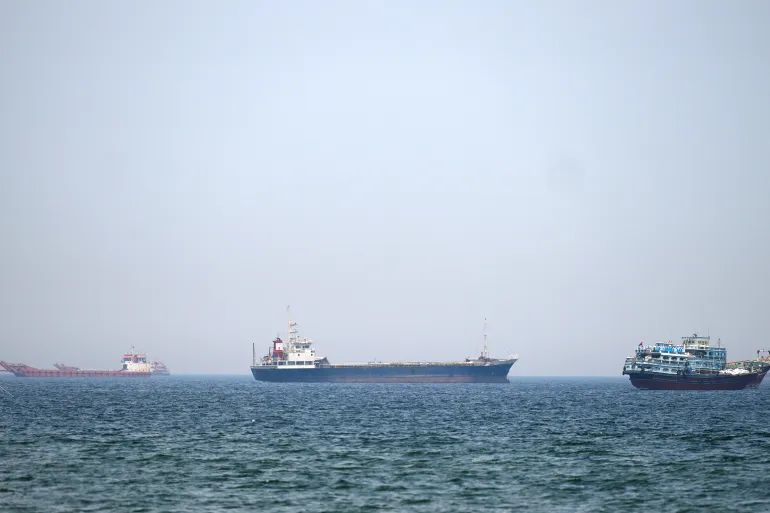
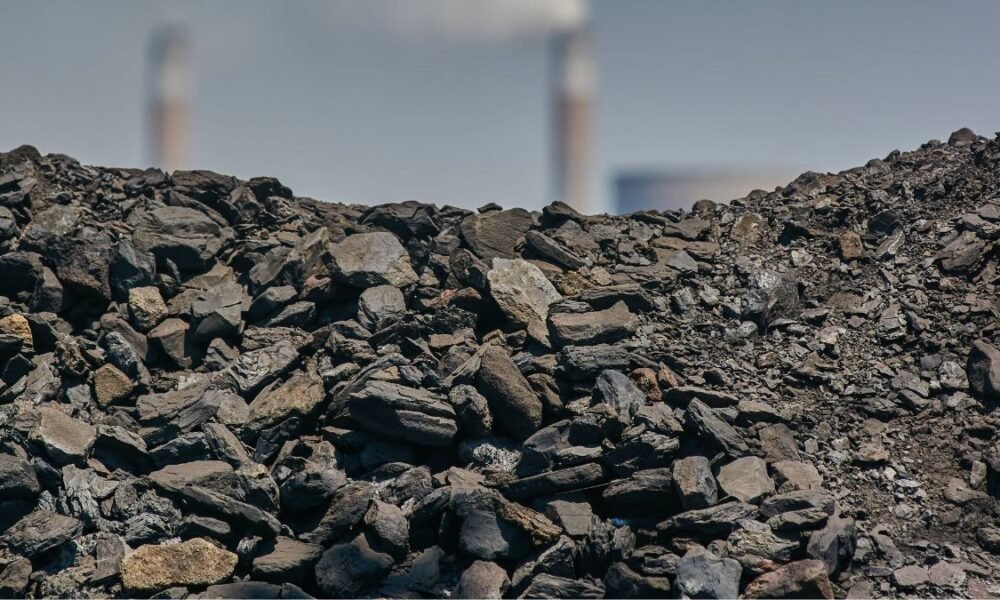
A shipment of coal imported by the multinational conglomerate Hayleys has arrived in Sri Lanka and is being unloaded under a veil of secrecy, according to local reports.
The vessel, which reached the port earlier this week, has drawn intense scrutiny due to the unconventional nature of its arrival and the lack of public disclosure regarding the procurement process.
Sources within the energy sector suggest that the shipment was processed “discreetly” to avoid public or political pushback. The arrival comes at a time when Sri Lanka’s energy security and the transparency of its fuel tenders are under heightened observation.
Questions over procurement
The controversy stems from allegations that the standard competitive bidding process for coal imports may have been bypassed. While the government typically manages coal procurement through the Lanka Coal Company, the involvement of a private conglomerate in this instance has raised questions among industry analysts and transparency advocates.
Critics argue that the lack of an open tender process risks higher costs for the taxpayer and sets a concerning precedent for the country’s energy infrastructure.
“Energy procurement must be conducted with the highest levels of transparency to ensure the best value for the public,” said one industry observer. “The discreet handling of this shipment only serves to deepen existing suspicions.”
Strategic interests
The coal is reportedly intended to bolster the national power grid, which has faced intermittent stability issues over the last year. However, the secrecy surrounding the shipment has overshadowed its potential utility.
Hayleys, one of Sri Lanka’s largest and most diverse companies, has not yet issued a formal statement regarding the specific terms of the import or the reasons for the low-profile unloading process.
Economic context
Sri Lanka remains in a delicate economic position as it continues to navigate the aftermath of its recent financial crisis. With foreign exchange reserves still under pressure, the cost and method of importing essential commodities like coal remain a point of significant national debate.
The Ministry of Power and Energy has yet to clarify whether this shipment was part of an emergency procurement plan or a new public-private partnership. For now, the “discreet” arrival of the vessel remains a focal point for those calling for greater accountability in the state’s dealings with private enterprises.