Middle East Peace Prospects Brighten as Israel and Lebanon Agree to 10-Day Ceasefire
In a major diplomatic breakthrough, Israel and Lebanon have agreed to a 10-day temporary ceasefire, offering a rare window of hope for stability in the volatile Middle East. The deal, brokered through intensive U.S. diplomacy, is viewed as a critical step toward de-escalating the broader regional conflict involving Iran and the United States.
The Agreement and Diplomatic Breakthrough U.S. President Donald Trump announced the agreement following high-level discussions with Israeli Prime Minister Benjamin Netanyahu and Lebanese President Joseph Aoun. This brief pause in hostilities aims to halt military operations, particularly those targeting Hezbollah strongholds, which intensified in early 2026.
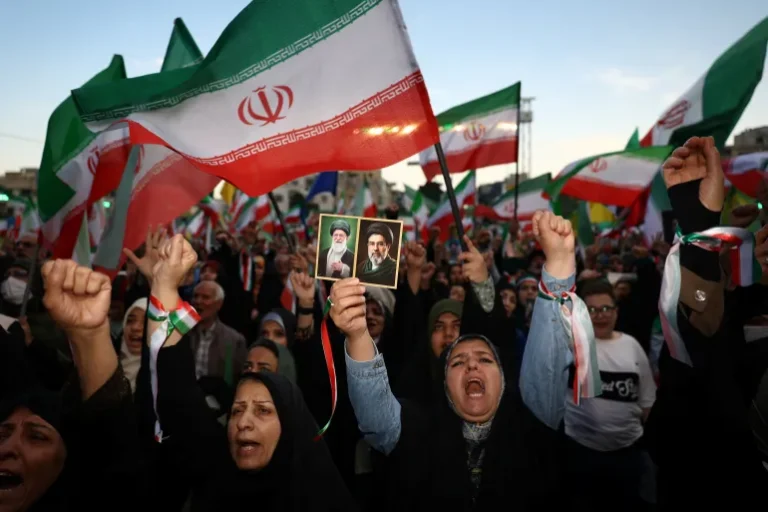
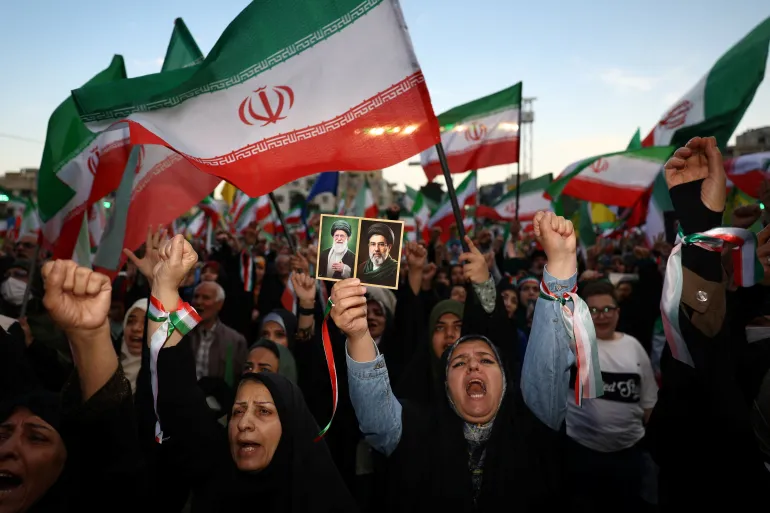
Links to Iran-US Negotiations The ceasefire is closely intertwined with ongoing high-stakes negotiations between Washington and Tehran. Reports suggest that Iran has signaled a willingness to limit its nuclear enrichment activities in exchange for the potential unfreezing of financial assets and the easing of economic sanctions by the United States.
Challenges to Lasting Peace Despite international acclaim, including support from European Commission President Ursula von der Leyen, the situation remains fragile. Key challenges include the presence of Israeli troops in southern Lebanon and Hezbollah’s concerns regarding operational freedom within Lebanese territory. Analysts warn that for the peace to hold, these long-standing security arrangements must be formally addressed.
Economic Ripple Effects Global financial markets reacted positively to the news, with a surge in investor confidence and a stabilization of oil prices. The potential reopening of secure shipping routes through the Strait of Hormuz is seen as a vital relief for global energy security and international trade.