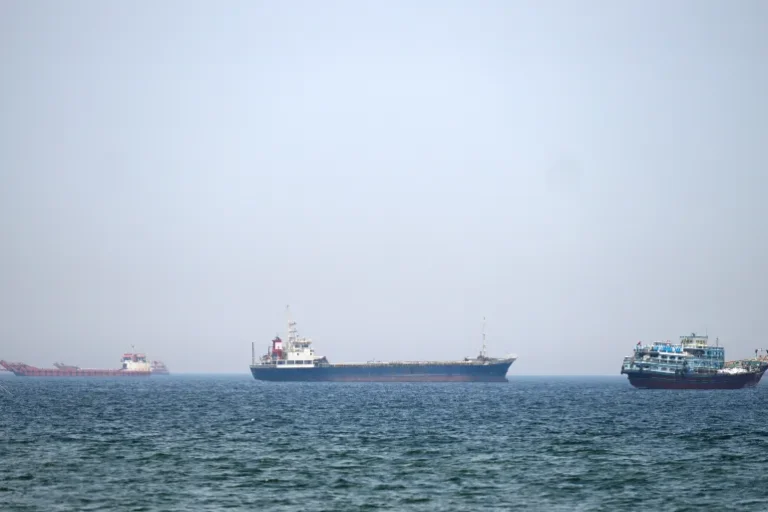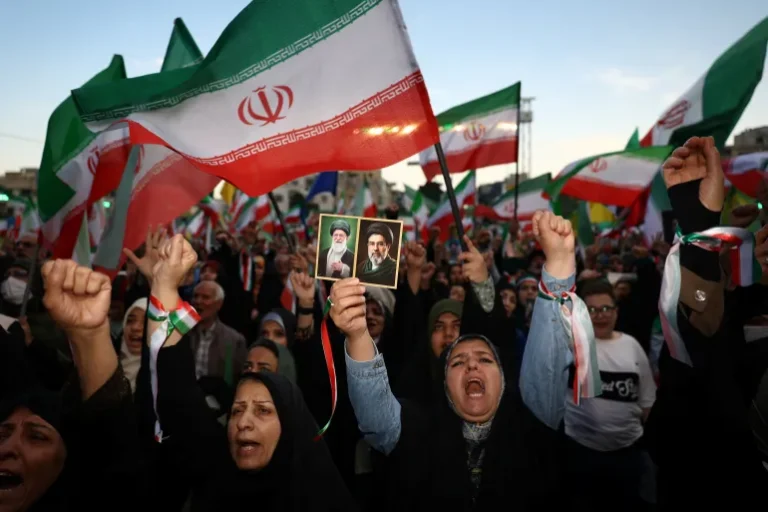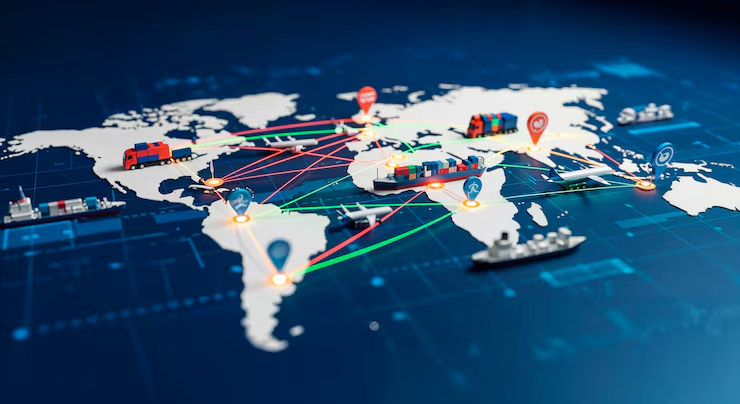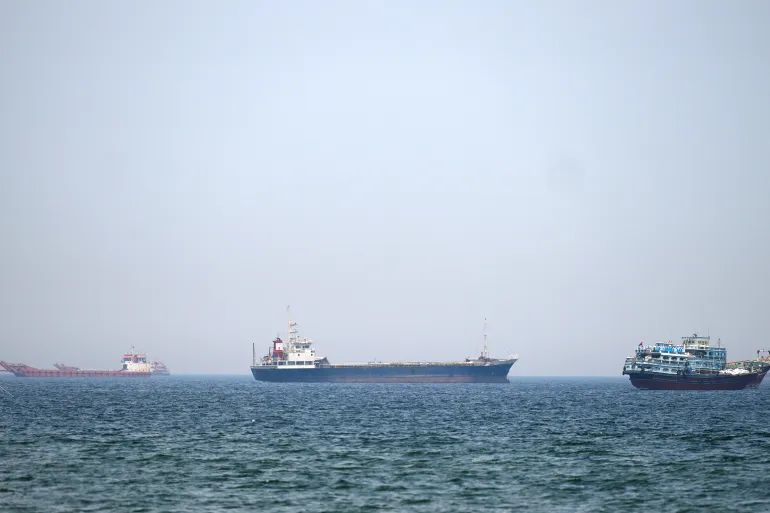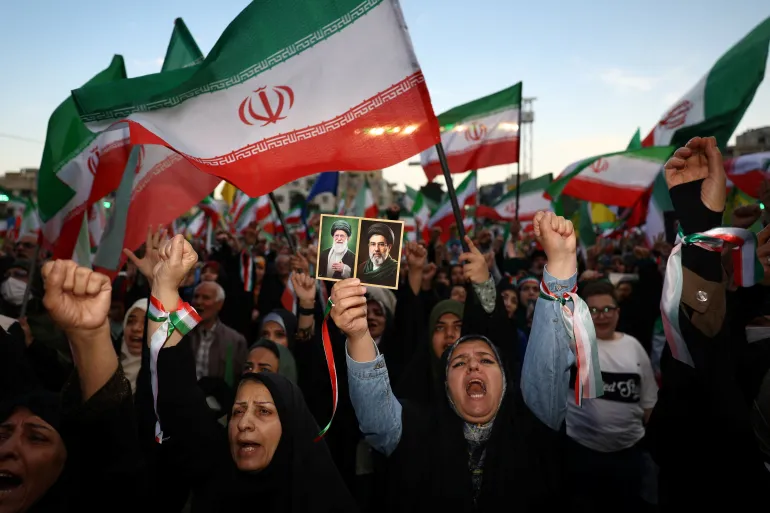
A massive military escalation is unfolding in the Strait of Hormuz, the world’s most vital energy artery handling over 20% of global oil supply. Despite brief diplomatic optimism just hours ago, the situation has taken a violent turn, pushing the region to the brink of a full-scale conflict.
Fatal Attacks on Indian Vessels
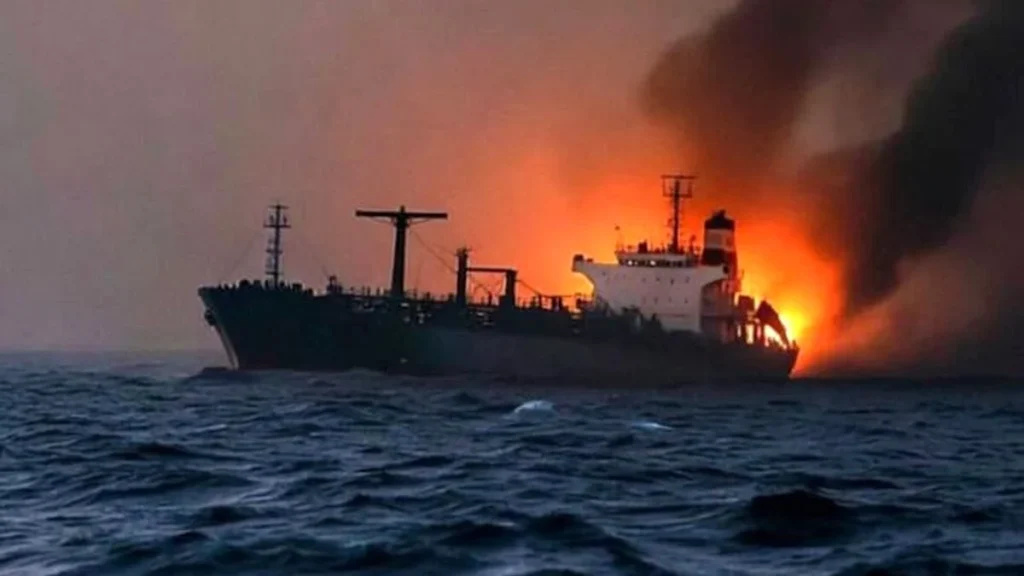
In a shocking escalation early this morning, the Iranian Revolutionary Guard Corps (IRGC) opened fire on the Indian-flagged tanker, Sanmar Herald. Carrying two million barrels of Iraqi oil, the vessel had reportedly received prior clearance before being swarmed by fast-attack gunboats. Distress calls captured the crew’s terror, shouting: “You gave me clearance to go! Why are you firing now?” This incident has forced India’s Foreign Secretary, Vikram Misri, to summon the Iranian ambassador in New Delhi to lodge a severe protest.
White House Defiance: Trump Slams Iranian “Blackmail”
President Donald Trump has characterized the closure of the Strait as an attempt at global economic “blackmail.” He remains steadfast that the U.S. naval blockade will continue until a comprehensive deal is reached. With the current ceasefire set to expire this Tuesday, April 22, the White House is preparing for a potential resumption of full-scale hostilities if no breakthrough is achieved.
Humanitarian and Economic Toll
Since February 28, the conflict has claimed over 3,400 Iranian lives, including 1,701 civilians. The impact is being felt globally; fuel rationing has already begun in countries like Bangladesh, and maritime insurance spikes are threatening the cost of living in nations like Sri Lanka. Massive oil spills resulting from strikes on Iranian refineries are now visible from space, marking a severe environmental catastrophe.
The Countdown to Tuesday
As the clock ticks toward the expiration of the ceasefire, the world waits in fear. Without an immediate diplomatic breakthrough, the “Crisis of 2026” threatens to evolve into a global war that could reshape the geopolitical landscape for decades.