By Staff Writer Colombo, Sri Lanka
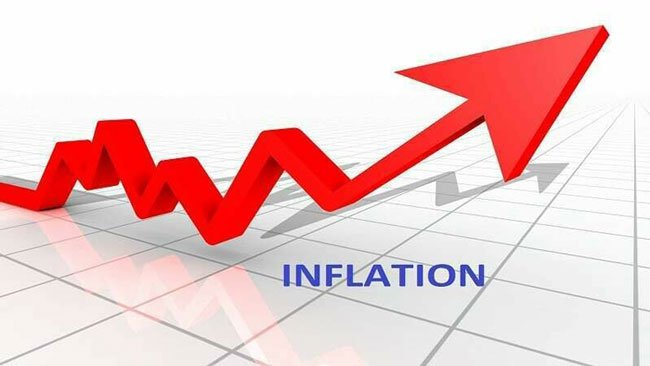
Sri Lanka’s headline inflation rate rose to 5.4% in April, according to the latest government data, driven largely by a sharp increase in the cost of food and essential services.
The figures, released by the Department of Census and Statistics, show a notable jump from the previous month. The Colombo Consumer Price Index (CCPI) indicates that while the country has moved away from the hyperinflation seen during the height of the 2022 financial crisis, price stability remains fragile.
Economists suggest that the uptick is a result of a “perfect storm” of seasonal demand, changes in administrative prices, and the ongoing impact of tax adjustments implemented earlier in the year.
The cost of the dinner table
Food inflation remains the primary concern for most households. The prices of vegetables, rice, and dairy products have seen significant upward pressure, partly due to supply chain disruptions and higher transport costs.
“We are seeing a trend where the cooling of global commodity prices isn’t fully trickling down to the local market,” said one economic analyst. “For the average family, a 5.4% inflation rate feels much higher when the bulk of their income is spent on the basic food basket.”
Non-food inflation also contributed to the rise, with healthcare, education, and transport costs continuing to climb as the government gradually withdraws subsidies in line with international recovery programmes.
Central Bank under pressure
The latest figures will be a key consideration for the Central Bank of Sri Lanka (CBSL) as it meets to discuss interest rates. While the bank has recently adopted a more relaxed monetary policy to stimulate economic growth, a sustained rise in inflation may force a return to a more cautious approach.
The CBSL has previously stated that it aims to maintain inflation within a “mid-single-digit” target of around 5% over the medium term. With the current rate now slightly exceeding that threshold, there are growing calls for more targeted measures to protect vulnerable communities from the rising cost of living.
A delicate recovery
The rise in inflation comes at a politically sensitive time, as the country continues to navigate the stringent requirements of its multi-billion dollar IMF bailout. While the economy has shown signs of stabilizing—with improved foreign reserves and a stronger rupee—the daily reality for many citizens remains one of financial hardship.
Government officials have urged the public not to panic, suggesting that the April spike is a temporary fluctuation. However, for many Sri Lankans, the memory of 70% inflation just two years ago remains a vivid reminder of how quickly price stability can unravel.