By Staff Writer Colombo, Sri Lanka
Owners of rooftop solar systems in Sri Lanka have expressed alarm over proposed changes to the country’s net-metering and billing structures, which critics claim could discourage the shift toward renewable energy.
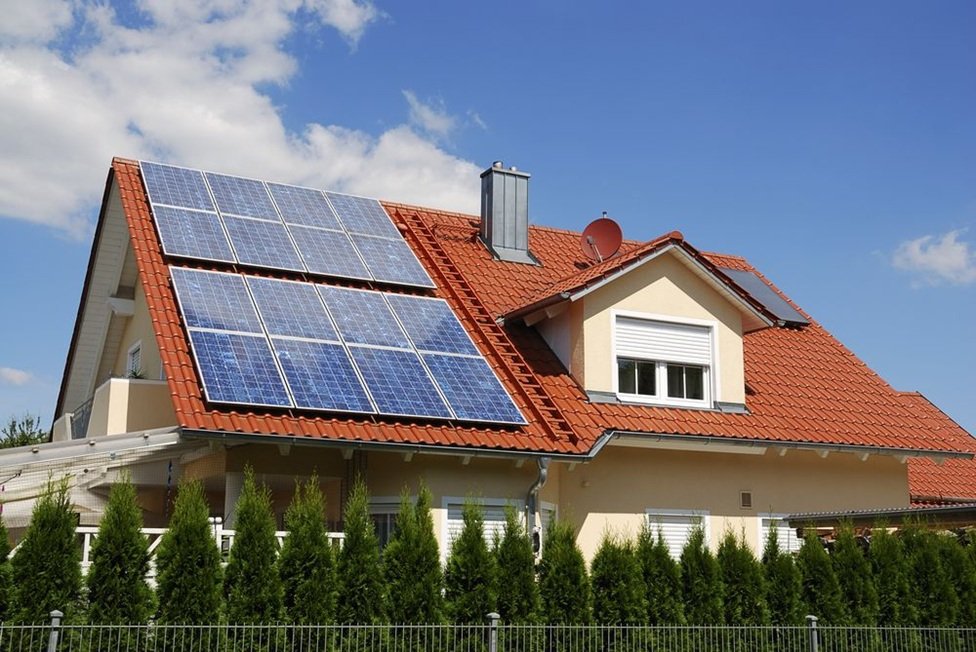
The Ministry of Power and Energy is reportedly considering a revision of the “Net Accounting” and “Net Plus” schemes. These systems currently allow homeowners to sell excess electricity generated by their solar panels back to the national grid at a fixed rate, significantly reducing their monthly utility bills.
However, new directives suggest a potential reduction in the export tariff—the price the government pays to individuals for their solar power—citing the need to balance the Ceylon Electricity Board’s (CEB) rising operational costs.
A ‘blow’ to green energy
The move has been met with stiff resistance from the Solar Industries Association and consumer rights groups. They argue that altering the financial terms after thousands of households have invested heavily in solar technology is “unfair and counterproductive.”
“Many families took out loans to install these systems based on a specific return on investment,” a representative for the solar industry said. “Changing the rules mid-way through undermines public trust and could bring the growth of domestic renewable energy to a standstill.”
Sri Lanka has set an ambitious target of generating 70% of its electricity from renewable sources by 2030. Rooftop solar has been a cornerstone of this strategy, particularly following the power crises of recent years that highlighted the vulnerability of the country’s reliance on imported fossil fuels.
Economic balancing act
Government sources defend the move as a necessary fiscal adjustment. They argue that the current high rates paid to solar owners are no longer sustainable given the broader economic reforms and the falling costs of solar hardware globally.
There are also concerns regarding the technical stability of the grid. As more decentralized solar power is added, the CEB claims it must invest in expensive battery storage and grid upgrades to manage the intermittent nature of solar energy—costs that they suggest should be reflected in the pricing structure.
Impact on the middle class
For many middle-class Sri Lankans, rooftop solar was seen as a hedge against soaring electricity tariffs. If the proposed changes are implemented, the payback period for a standard home installation could extend by several years, making it a less attractive option for new buyers.
While no final decision has been officially gazetted, the mere prospect of the changes has led to a cooling of the market, with several local solar companies reporting a drop in new inquiries.
The debate highlights the difficult balance the government faces as it attempts to reform a debt-laden energy sector while simultaneously trying to meet international climate commitments. For now, thousands of “prosumers”—citizens who both produce and consume energy—remain in a state of nervous anticipation.