Global Economy Rattled by U.S. Blockade on Iran: World Debt to Hit 100% of GDP as China Faces Energy Crisis
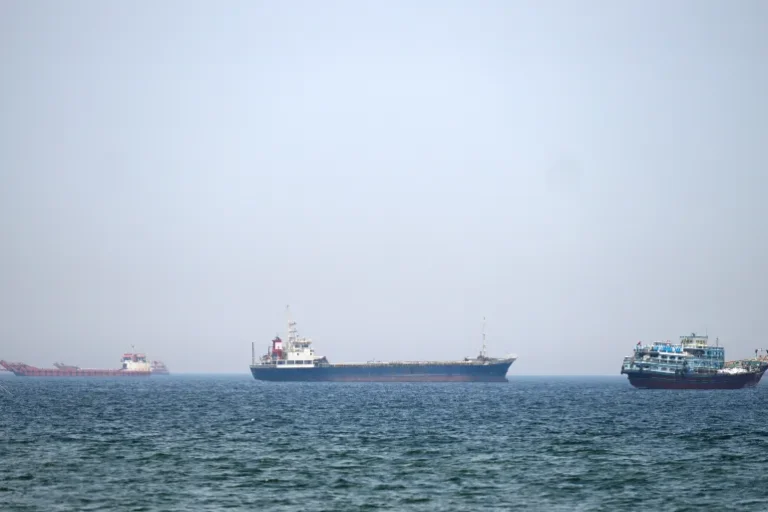
The International Monetary Fund (IMF) has warned that the naval blockade imposed by President Donald Trump on Iranian ports is exerting unprecedented pressure on an already fragile global economy. During the IMF’s Spring Meetings in Washington, officials cut growth forecasts, citing the escalating Middle Eastern conflict as the primary driver of economic instability.
Iran’s Oil Exports at a Standstill
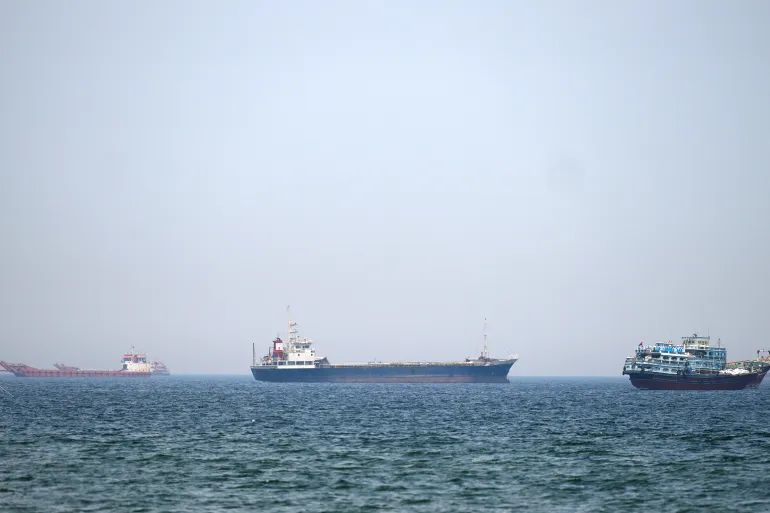
The U.S.-led military blockade has effectively choked the Iranian economy by halting oil exports. With storage capacities reaching their limit and no way to move the surplus, Iran’s economy is on the verge of collapse. This supply bottleneck is already causing tremors in global energy markets, threatening a sharp rise in fuel prices worldwide.
Global Debt Clock Ticking
In a grim forecast, the IMF stated that the world’s total debt is projected to reach 100% of the global Gross Domestic Product (GDP) by 2029. This massive debt burden is expected to affect different regions unevenly, with debt-stressed nations facing the highest risk of financial default.
China and the Russian Alternative
China, the largest buyer of Iranian crude, is the hardest hit by the blockade, as it relies on Iran for nearly one-third of its oil needs. Addressing the crisis from Beijing, Russian Foreign Minister Sergey Lavrov signaled Moscow’s readiness to fill the gap. He assured that Russia has the capacity to supply energy resources to China and other “friendly nations” that are willing to engage in mutually beneficial trade.
“Russia is undoubtedly capable of meeting the energy demands of all countries interested in working with us on a fair and mutual basis,” Lavrov stated, positioning Russia as a critical energy lifeline for the world’s second-largest economy.